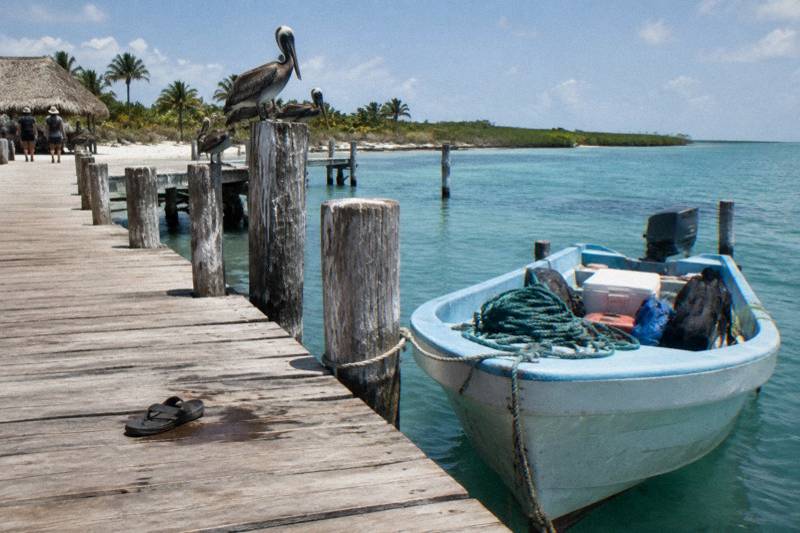
Wildlife In Sian Ka'an: Manatees, Crocodiles, Turtles And Birds
Sian Ka'an shelters manatees, crocodiles, four nesting sea turtle species, jaguars and more than 370 birds. The honest question is not what lives here but which of it a visitor can realistically see, and from which boat, kayak or trail.
Short answer
Sian Ka'an documents 4,091 species, including the West Indian manatee, the American crocodile, four nesting sea turtle species, jaguar, puma, ocelot, tapir and 373 birds. Realistic sightings come from the water: boat trips to Punta Allen for turtles and dolphins, lagoon kayaks for birds, and the Muyil canals for mangrove wildlife. Entry costs MXN 225 per person per day.
The Yucatan coast south of Tulum holds one of the largest protected wetlands in Mexico, and the animal list reads like a field guide condensed into a single reserve: a small West Indian manatee population, American crocodiles, four sea turtle species that nest on these beaches, jaguar and puma in the forest interior, and more than 370 recorded birds. That is the headline. The practical question every visitor actually faces is narrower, and this guide answers it section by section: which of these animals can a day visitor realistically see, in which part of the reserve, and on which of the bookable trips.
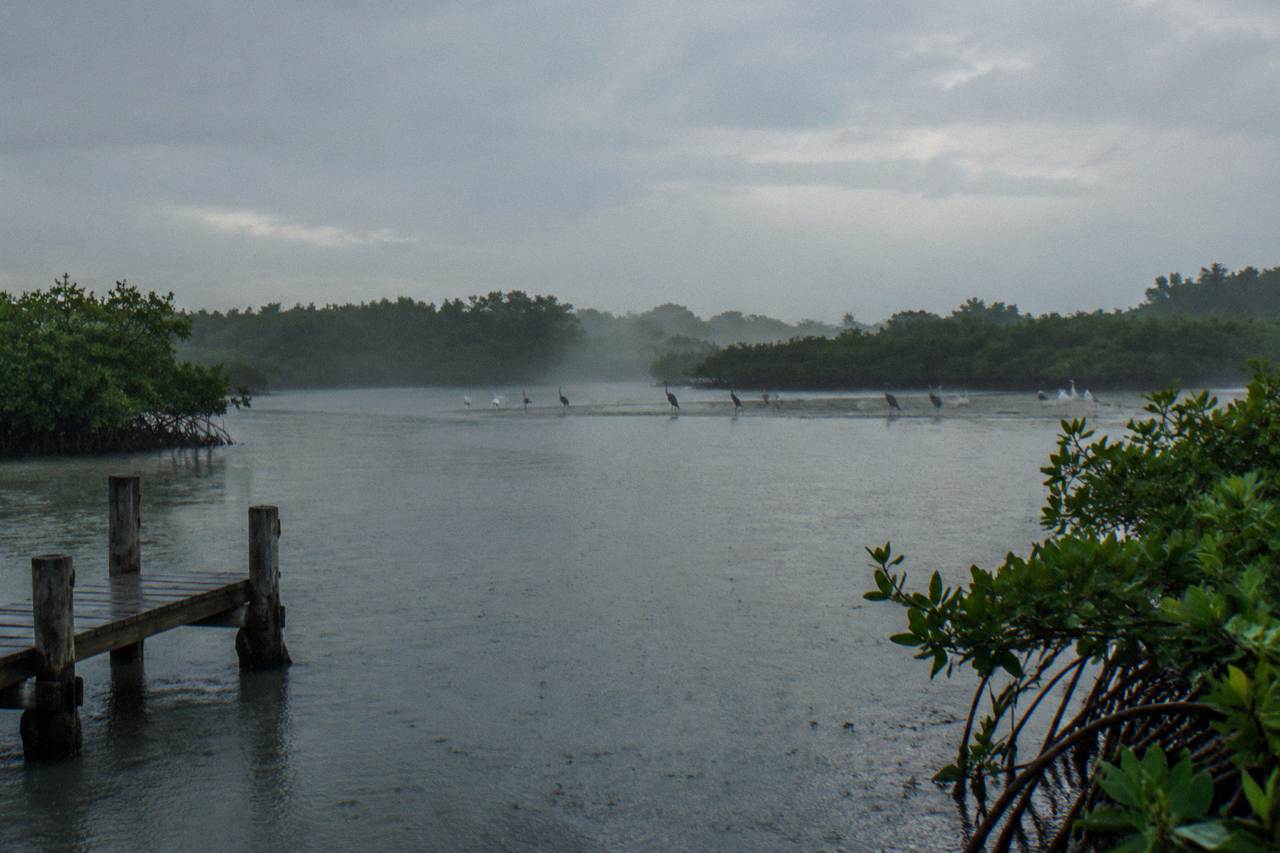
The honest starting point is that Sian Ka'an rewards habitat over hope. The full-day boat trip toward Punta Allen puts you on the lagoons and reef where turtles and dolphins are commonly reported by guests; the Muyil canal float moves slowly through mangroves where herons and kingfishers work the banks; a dawn kayak from Tulum reaches the shallow lagoon edges where wading birds feed. Chasing a specific animal is the wrong frame. Choosing the water that animal lives in is the right one, and the difference between those two approaches is the difference between a frustrated day and a memorable one.
What Wildlife Lives In Sian Ka'an?
The reserve documents 4,091 species in total, per the CONANP 2025 inventory cited by the IUCN World Heritage Outlook: 1,015 plants, 361 fish, 373 birds, 115 mammals, 72 reptiles, 20 amphibians and 1,725 invertebrates. The UNESCO inscription names manatee, four nesting sea turtle species, jaguar, puma, ocelot, tapir and American crocodile as the flagship fauna. Not one of them is guaranteed to any visitor on any day.

The number that surprises people is the invertebrate count. Nearly half of the documented species are insects, spiders, crustaceans and mollusks, which is what a functioning tropical wetland actually runs on. The mammal list, 115 species, includes the animals people ask about, but most of them are nocturnal or occupy the core zones where tourism does not go. The jaguar, puma, ocelot and tapir are forest animals of the interior; the manatee moves through the lagoons and canals; the crocodile hunts the mangrove edges at dusk and dawn. Understanding that distribution, forest interior versus open water, is the first step toward a trip that delivers.
The bird count has grown over the years of study. The original UNESCO description recorded 330 species, of which 219 breed in the reserve, while the Ramsar listing for the wider wetland records 320. The most recent CONANP count, cited in the 2025 Conservation Outlook Assessment, puts the number at 373 species within the reserve and 407 in its interface zones. For a visitor, the practical takeaway is simpler than the numbers: this is one of the richest birdwatching sites on the Mexican Caribbean coast, and it sits 20 minutes from Tulum. The dedicated Sian Ka'an birdwatching guide breaks down the specific tours; this page stays on the wider animal picture.
Sea turtles deserve their own framing. The UNESCO listing names four species that nest here, the green, loggerhead, hawksbill and leatherback, all classed as endangered or vulnerable in the Ramsar documentation. Nesting happens on the reserve's roughly 120 km of coastline, which is closed-range habitat, not a beach club. What a tour guest typically experiences is turtles in the water: feeding over seagrass beds in the lagoons or passing over the reef fringe. The listing for the Punta Allen full-day boat trip describes dolphin, turtle and bird viewing from the boat and an optional reef snorkel, and that is the realistic shape of a turtle encounter here.
Where Can You See Manatees And Crocodiles In The Biosphere?
Manatees and American crocodiles both live in the reserve's lagoon and canal systems, and both are shy, low-density animals. Tours describe them as possible sightings on lagoon boat trips and kayak routes, never as certainties. The listing language for the Punta Allen boat trips lists dolphin, manatee and turtle viewing as part of the boat ride, and independent observers log both species in these waters. Plan on birds as the reliable sighting and treat either as a bonus.
The West Indian manatee population here is small, and it moves. Manatees graze seagrass in the shallow lagoons behind the barrier beach and travel the deeper channels between them, surfacing for air every few minutes. A boat moving at speed across open lagoon water covers the habitat where they feed; a kayak or a slow boat in the channels covers the habitat where they travel. No operator among the tours on this site promises a manatee, and a listing that did would be one to distrust. What the good trips do is spend enough time on the right water that a surfacing is a live possibility.
Crocodiles are the reverse case: common but discreet. The American crocodile, and Morelet's crocodile with it, is listed among the reserve's representative fauna on the official CONANP profile, and the mangrove fringes of the lagoons and ancient canals are exactly its habitat. On the Muyil canal routes a crocodile may show as a pair of eyes and a ripple at the mangrove edge; sightings are never promised, or a small animal basking on a mudbank in the morning sun. The canal float run by the Muyil cooperative moves through this water at walking pace, a pace that leaves time to watch for birds along the mangroves. The Muyil floating canals guide covers that route in detail.
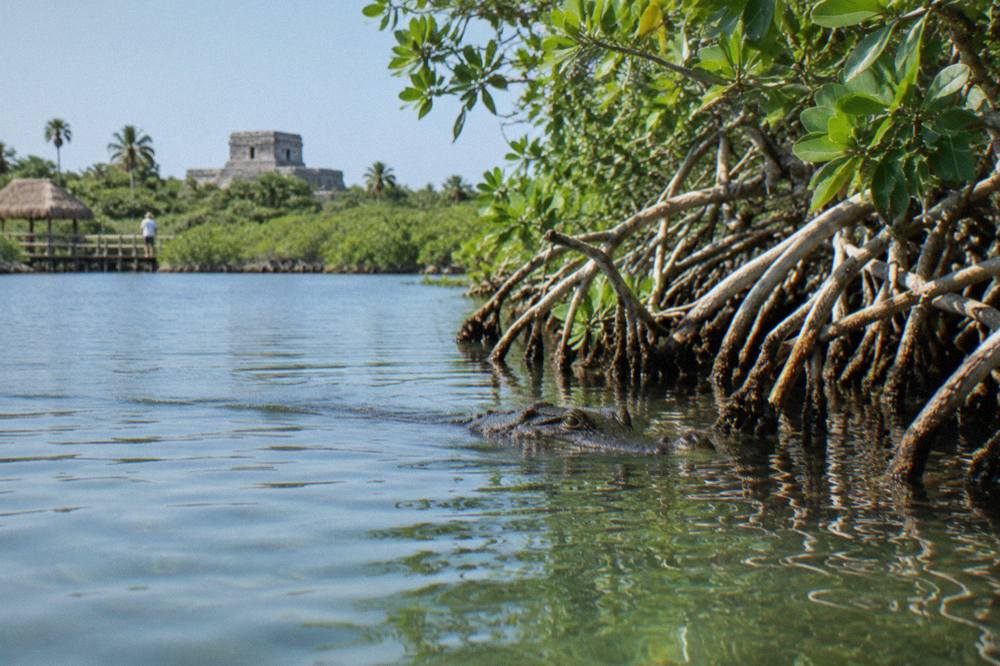
The rules matter as much as the habitat. Federal rules for the reserve prohibit feeding, touching, chasing or harassing any wild animal, and licensed local guides are required on tours in part to enforce exactly that. A crocodile accustomed to being fed is a crocodile that eventually has to be removed, and a manatee harassed by boats abandons its feeding ground. Choose operators that idle when animals appear, keep distance, and move on. Every tour on this site operates under those federal rules, and the more thorough listings say so on the booking page.
For habitat choice, the tours split cleanly by water. Compare the three main wildlife waters:
| Water | Typical tour | Habitat | Realistic sightings |
|---|---|---|---|
| Open lagoons toward Punta Allen | Full-day boat trips from Tulum | Wide shallow flats, channels, reef fringe | Dolphins and turtles commonly reported, birds at the mangrove edges |
| Muyil lagoon and ancient canals | Canal float and ruins tours from Tulum | Narrow mangrove canals, clear shallow water | Herons, kingfishers, cormorants, crocodiles at the banks |
| Northern lagoon edges near Tulum | Sunrise and sunset kayak tours | Shallow flats, mangrove fringe, roost sites | Wading birds, frigatebirds, occasional crocodile eyes |
Which Tour Gives The Best Odds Of Seeing Turtles And Dolphins In Sian Ka'an?
The full-day boat trip to Punta Allen, from $254 per person with a 4.9 rating from 1,227 reviews, is the most reviewed wildlife trip among the tours on this site and the one that spends the most hours on the water where dolphins and turtles live. It runs 10 hours, includes lunch, snorkel gear and Tulum pickup, and lists free cancellation. The operator's listing points to manatees, nesting bird colonies and a reef snorkel; dolphins and turtles come from guest reports, none of it guaranteed.
The featured pick earns that place on arithmetic as much as anything. Twelve hundred and twenty-seven reviews make up the largest review pool among the tours on this site, and the 4.9 rating across that pool is the strongest signal on this site for a wildlife-focused day. The trip leaves Tulum, crosses the lagoon system by boat, stops for a reef snorkel where conditions allow, and serves lunch in Punta Allen village before the return. Every one of those segments is wildlife water: the lagoon crossings for dolphins and turtles, the reef fringe for fish and turtles, the channel edges for birds.
Shorter and cheaper options exist, and the honest tradeoff is hours on the water. The dolphins and turtles day trip from Pixan Riviera runs the same 10-hour shape from $179 per person, rated 4.8 from 48 reviews, with transport from Playa del Carmen and Tulum, a certified guide and a Punta Allen meal. The half-day discovery tour from Mexico Kan Tours, from $204 per person with a 4.9 rating from 270 reviews, compresses the same waters into 6 hours with lunch and snorkel gear included. What the shorter trips give up is the far lagoons and the lazy pace of a full day; what they give you is an afternoon back in Tulum.
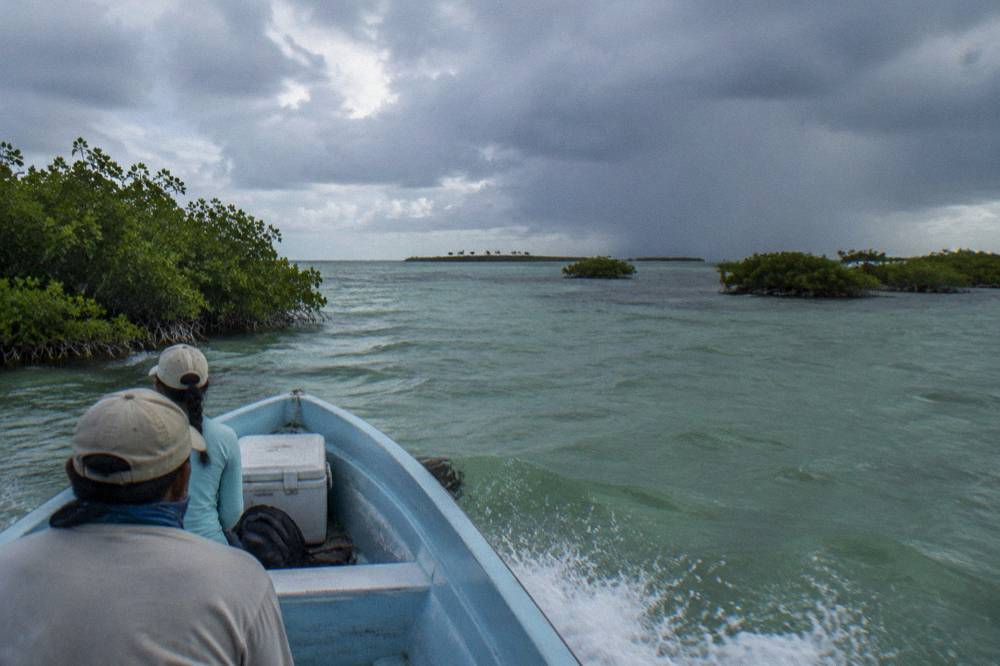
Two honest caveats belong next to any dolphin-and-turtle paragraph. First, sea conditions govern the reef snorkel segment: listings state plainly that the snorkel depends on the sea, and sargassum or wind can close that window without warning. Second, these are wild animals in a reserve of more than 500,000 hectares, and a morning with no dolphins is a normal morning. The trips that keep guests happy are the ones where the lagoon crossing, the bird life and the lunch are worth the price on their own, with the dolphins as the unscripted middle of the story.
You can compare the three strongest wildlife formats side by side before booking:
Where Are The Best Birdwatching Spots Around Muyil?
Muyil and its lagoon edge are the birding heart of the reserve's northern access, with trails from the archaeological zone through forest to the lagoon dock. Birding tours here run from $95 per person, and guides report the dry season, November to March, as the strongest window for migrants and breeding activity. That November to March framing is an operator-guide view, not an official schedule; birds are present all year.
The birding tours on this site cluster around Muyil for a reason. The site combines tall dry forest, freshwater lagoon and mangrove canal in a walkable radius, which stacks three habitats into one morning. Guided birdwatching with Eddy, from $95 per person, is the entry point: a 3 to 4 hour outing with a 5.0 rating from 140 reviews, lunch included, group max 6 as stated on the listing. The shared Muyil birdwatching group tour from Amar Aves, from $119 per person with a 5.0 rating from 125 reviews, adds breakfast and a ruins walk across a 5-hour morning, group max 10. Both are early starts, because bird activity is. The rest of the planning pages sit on Sian Ka'an Reserve.
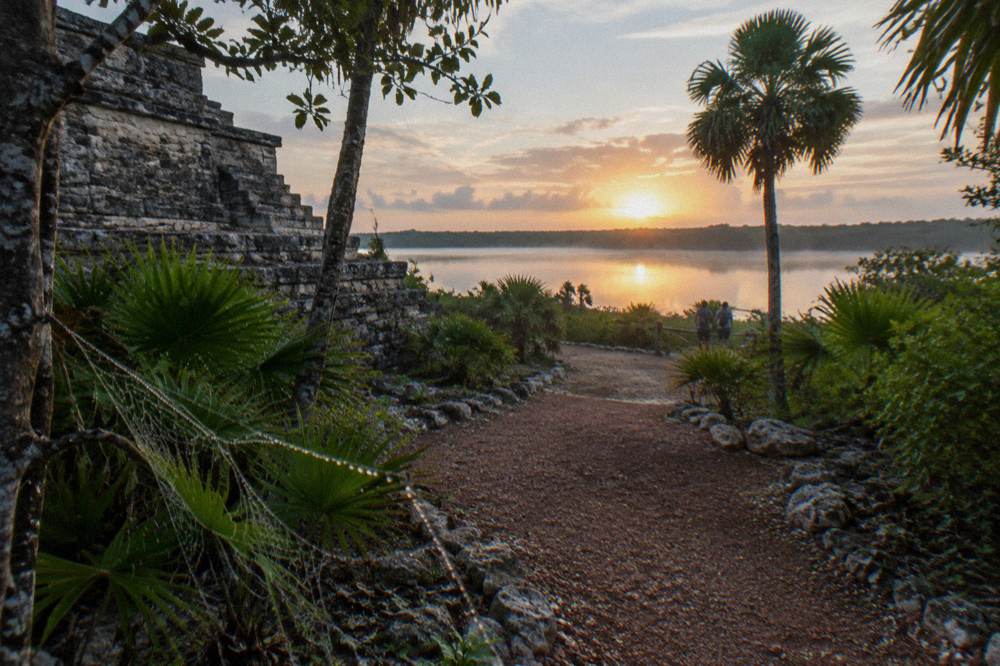
The species list is what justifies the alarm clock. The official CONANP fauna profile names the ocellated turkey, an endemic of the Yucatan region, among the reserve's representative species, alongside the magnificent frigatebird: a single 2026 eBird checklist logged 52 birds over the lagoons. Roseate spoonbills and the full cast of herons and waders work the shallow flats, and even the American flamingo has appeared in regional birding records, though as an extreme rarity rather than a pattern. A specialized guide is the difference between walking past all of that and actually seeing it; the deeper species-by-species breakdown lives in the Sian Ka'an birdwatching guide.
One practical note on binoculars, because it decides how much of the morning you actually see. Several Muyil birding listings ask you to bring your own binoculars and offer to lend a pair if you do not have any, so the gap is coverable, but a request in advance beats a request at the trailhead. The Yucatan Outdoors birdwatching product, from $130 per person, is the only tour on this site that explicitly includes binoculars and a bird guide book along with the reserve entrance fee. Its rating stands at 5.0 from 9 reviews, a small pool, so weigh the inclusions rather than the score.
Can You See A Jaguar In Sian Ka'an?
No, not realistically. Jaguar, puma, ocelot and tapir live in the reserve's forest interior and core zones, areas that tourism does not enter and that the decree protects precisely for that reason. None of the tours on this site visit cat habitat, and no honest operator sells a big-cat chance. The wild cats of Sian Ka'an are confirmed by the UNESCO listing and essentially invisible to visitors, which is the conservation outcome working as intended.
The reserve's 1986 decree set aside three core zones, Muyil, Cayo Culebras and Uaimil, together only slightly larger than the buffer zone where any tourism happens, and that buffer covers the lagoons, the beaches, the canals and the archaeological fringe that tours actually visit. The cats live beyond it, in the largest block of relatively intact tropical forest on the coast. Camera traps and researchers document them; day tours do not. A visitor who wants a wild cat in Quintana Roo is looking at a different kind of trip entirely, multi-day, research-linked, and not a product this site sells.
What the forest fringe does deliver, on the Muyil trails and the edges of the boat routes, is the supporting cast. Beyond the birds, keep an eye out for American crocodiles near the water, for the four turtle species that nest along this coast, and for any of the 330 birds recorded in the reserve. The crocodile section above covers the mangrove edges. None of these carry the jaguar's mystique, but all of them appear at rates that make a guided walk worthwhile, and the certified guides on the cooperative-run tours know precisely which bend of which trail produces which animal.
The right mental model, and the one this site's Sian Ka'an Reserve coverage is built on, is a zoo in reverse: the famous animals are here, the habitat is protected at scale, and your odds of any given sighting fall as the animal's fame rises. Dolphins and turtles are named in tour listings, never guaranteed sightings. Manatees and crocodiles are possible water sightings. Cats are confirmed residents you will not see. Booking against that ladder, rather than against a brochure photograph, is how a day here exceeds expectations instead of missing them.
What Wildlife Rules Apply Inside The Reserve?
The reserve prohibits feeding, touching, chasing or harassing any wild animal, bans sunscreen in the water, bans drones, and requires entry through authorized points with a licensed operator. Entry costs MXN 225 per person per day, collected by CONANP at Caseta Muyil and Caseta Arco Maya, with a paper bracelet as proof of payment. The reserve is open daily 7:00 to 18:00. Full rules are on the official CONANP reserve page.
The sunscreen rule is the one that catches visitors out, so state it plainly: the CONANP visitor rules as reported for Sian Ka'an list no sunscreen among the permitted items, and "reef-safe" carries no legal meaning in Mexico, so no label gets you an exception. The workable kit is shade, a rash guard, a hat and no sunscreen in the water at all. The same reported rules prohibit campfires, pets, sound equipment, fishing without authorization, collecting plants or animals, littering and the use of unofficial trails. Drones are prohibited in protected natural areas under CONANP policy, and INAH separately prohibits them over archaeological zones such as Muyil. The authoritative summary sits on the official CONANP reserve page, which also lists the fee, the hours and the access points.
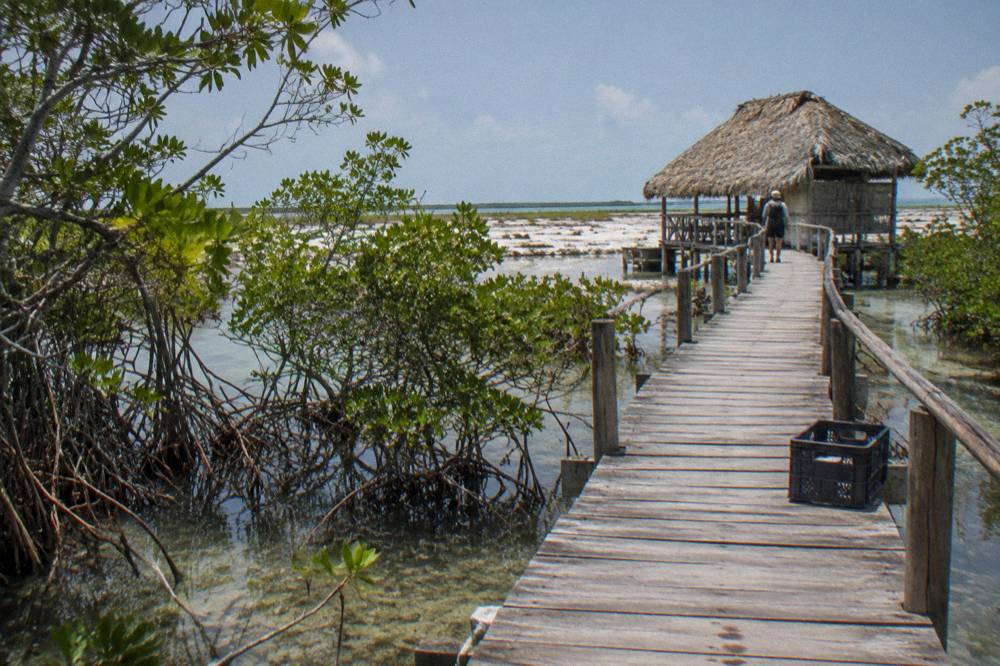
The fee structure matters for planning because tours treat it differently. Some listings fold the entrance fee into the price, others list it as an exclusion payable on the day, and each of the tours on this site states which applies. The cooperative-run ancient canals tour, for instance, lists the federal entry fee of approximately MXN 225 as a separate exclusion, while the Muyil ruins carry their own INAH charge of MXN 80 for nationals and foreign residents and MXN 145 for foreign visitors, on top of the reserve fee if you enter both. Bring cash in pesos for both casetas. The fee table in the entrance fee explainer breaks down every exemption, including the under-12 and student discounts.
| Rule | What it means in practice |
|---|---|
| No feeding or touching wildlife | Do not bait fish, lure iguanas or reach toward any animal, however tame it seems |
| No sunscreen in the water | Rash guard, hat and shade instead; no label is an official exception |
| No drones | Applies across the reserve and over the archaeological zones |
| Licensed guides required | Book through authorized operators and cooperatives, listed on each tour page |
| Entry at authorized points only | Caseta Muyil and Caseta Arco Maya; independent access is restricted |
Which Trip Should A Wildlife Watcher Actually Book?
Match the tour to the animal you most want to see and let that choice carry the price: for dolphins and turtles, book the full-day Punta Allen boat trip from $254 per person; for birds, a Muyil morning with a specialist guide from $95 per person; for mangrove wildlife at water level, the sunset or sunrise kayak from $120 per person. All are listed prices, and the Punta Allen full day is the most reviewed product.
That hierarchy is not about quality, it is about habitat hours. A kayak puts you at eye level with the mangrove edges for three quiet hours, and the sunset kayak from Yucatan Outdoors, from $120 per person with a 5.0 rating from 316 reviews, times those hours for the light that brings wading birds back to roost. Group max is 8 as listed, transport is not included, and the reserve fee of MXN 225 is payable separately, as the listing states. It is the best low-impact wildlife option among the tours on this site for a traveler who values quiet over coverage. The cooperative kayak tour, from $102 per person with a 4.9 rating from 95 reviews, is the only kayak line here that includes transport from Tulum plus a Mayan-cooked breakfast and lunch, which makes it the strongest value for visitors without a car.
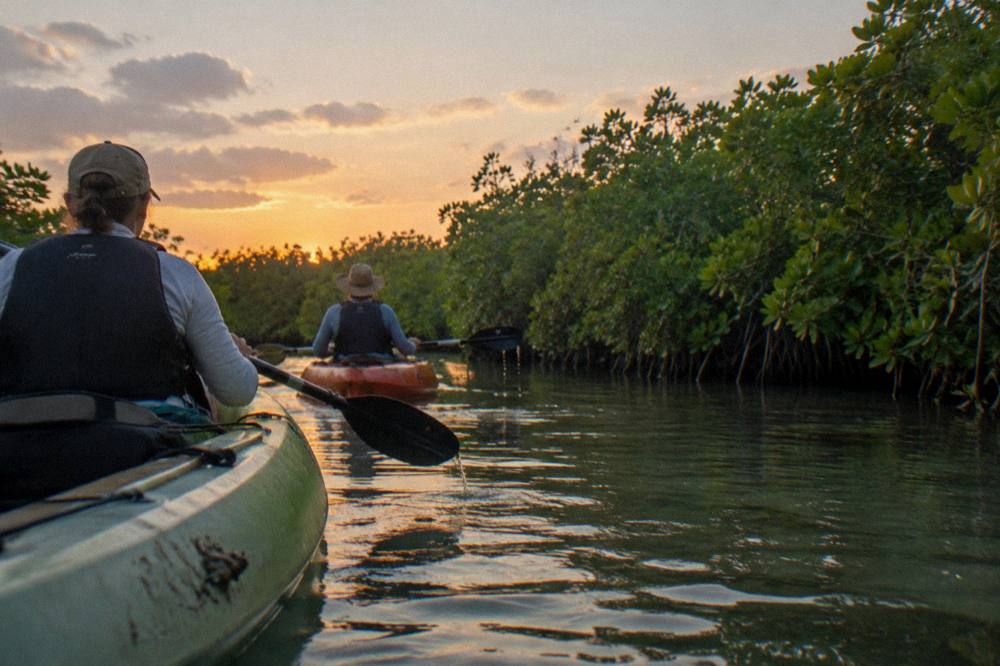
For the mangrove canals specifically, the Community Tours Sian Ka'an ancient canals product, from $162 per person with a 4.8 rating from 611 reviews, combines a boat crossing of Chunyaxche lagoon with a 30 to 45 minute float down the ancient Maya canal, over 8 hours with pickup. It is the trip that reaches the clearest, shallowest water in the reserve, the canals where the mangrove walls are close enough to inspect and every bird on the bank is within binocular range. The float along the ancient Maya canals is the tour's centerpiece, and the cooperative structure means the money stays in the Mayan community that runs it. Pair the booking with the canal float guide for what to bring; the short version is water shoes, dry bag, hat and no sunscreen in the water.
Here is how the main wildlife formats compare across the 26 tours on this site, using only published prices, ratings and durations:
| Format | Tour | Price | Rating and reviews | Duration |
|---|---|---|---|---|
| Full-day boat | Punta Allen full day trip | from $254 per person | 4.9 from 1,227 reviews | 10 hours |
| Half-day boat | Half-Day Tour Discovering Sian Ka'an with Lunch | from $204 per person | 4.9 from 270 reviews | 6 hours |
| Canal float | Ancient Maya Canals Tour | from $162 per person | 4.8 from 611 reviews | 8 hours |
| Sunset kayak | Kayak Biosphere Reserve Sunset Tour | from $120 per person | 5.0 from 316 reviews | 3 hours |
| Birding morning | Birdwatching Tours By Eddy | from $95 per person | 5.0 from 140 reviews | 3 to 4 hours |
One species deserves a closing correction, because it appears in searches more often than in this reserve's waters: the whale shark. The famous June to September whale shark season in this region belongs to Holbox and Isla Mujeres, not to Sian Ka'an, and none of the tours on this site include it. A visitor combining a Sian Ka'an wildlife day with a whale shark swim is booking two separate trips from two separate bases, and any listing that implies otherwise is selling the wrong reserve. The genuine marine headline here is the reef: snorkel segments on the boat trips cross the Mesoamerican Reef system, with fish, turtles and, on good-visibility days, the coral formations of the reef, alongside the wildlife above.
Season planning, briefly, because it shapes every sighting. The rainy season runs May to October and the dry season November to April, per a climate dataset for Tulum, with sea temperatures of 26 to 29 C across the year and hurricane season from 1 June to 30 November per the NOAA hurricane climatology. Sargassum on the beaches peaks around June and July, and 2026 has been an unusually heavy year. None of that decides your wildlife, but it decides your comfort, and the best time to visit guide weighs it month by month.
The strongest wildlife bookings here are the Punta Allen day trip, the sunset kayak, and Eddy's birdwatching tour.
Common Questions About Wildlife In Sian Ka'an
Are Dolphins Guaranteed On Sian Ka'an Boat Tours?
No. Listings describe dolphin and turtle viewing as part of the boat ride, and guests commonly report sightings, but these are wild animals in a vast biosphere reserve and no honest operator guarantees them. Choose a trip where the lagoon crossing, snorkel and lunch are worth the price on their own.
Can You See A Manatee In Sian Ka'an?
Possibly. A small West Indian manatee population lives in the reserve's lagoons and canals, and boat trips to Punta Allen describe manatee viewing as part of the ride. Sightings are infrequent and never promised, so treat a manatee as a bonus rather than a goal.
How Many Bird Species Live In The Reserve?
The CONANP 2025 inventory counts 373 bird species inside the reserve and 407 in its interface zones. The earlier UNESCO figure was 330 species, of which 219 breed here, and the Ramsar listing records 320 for the wider wetland.
Are There Crocodiles In Sian Ka'an?
Yes. The American crocodile and Morelet's crocodile are both listed as representative fauna on the official CONANP profile, and they inhabit the mangrove fringes of the lagoons and ancient canals. Kayakers and canal floaters occasionally spot them at the banks, always from a safe, guided distance.
Can You Swim With Whale Sharks In Sian Ka'an?
No. The region's June to September whale shark season belongs to Holbox and Isla Mujeres, not this reserve. None of the 26 tours on this site offer whale sharks, and seeing them requires a separate trip from a different base.
Is Sunscreen Allowed In The Reserve?
The CONANP visitor rules as reported list no sunscreen among the permitted items, and "reef-safe" has no legal meaning in Mexico, so no label counts as an exception. Use a rash guard, hat and shade instead, and apply nothing before entering the water.