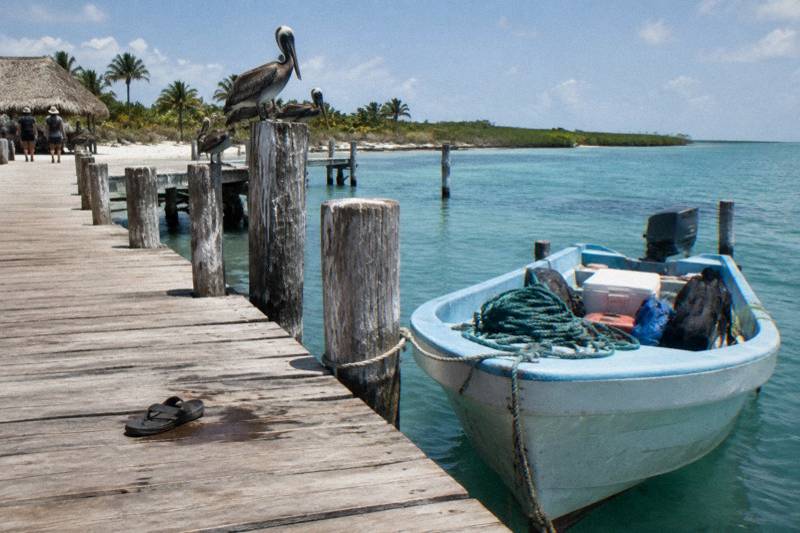
What Is The Biosphere Reserve South Of Tulum?
South of Tulum the map turns green for more than a hundred kilometers of coastline. That green block is Sian Ka'an, one of the largest protected areas in Mexico and the reason this stretch of the Riviera Maya never became a wall of resorts.
Short answer
The biosphere reserve south of Tulum is Sian Ka'an, decreed on 20 January 1986 and inscribed by UNESCO in 1987. It covers 528,148 hectares of jungle, wetlands, lagoons and Caribbean reef along roughly 120 km of coastline, and visitors enter it mainly through Muyil or the Punta Allen road.
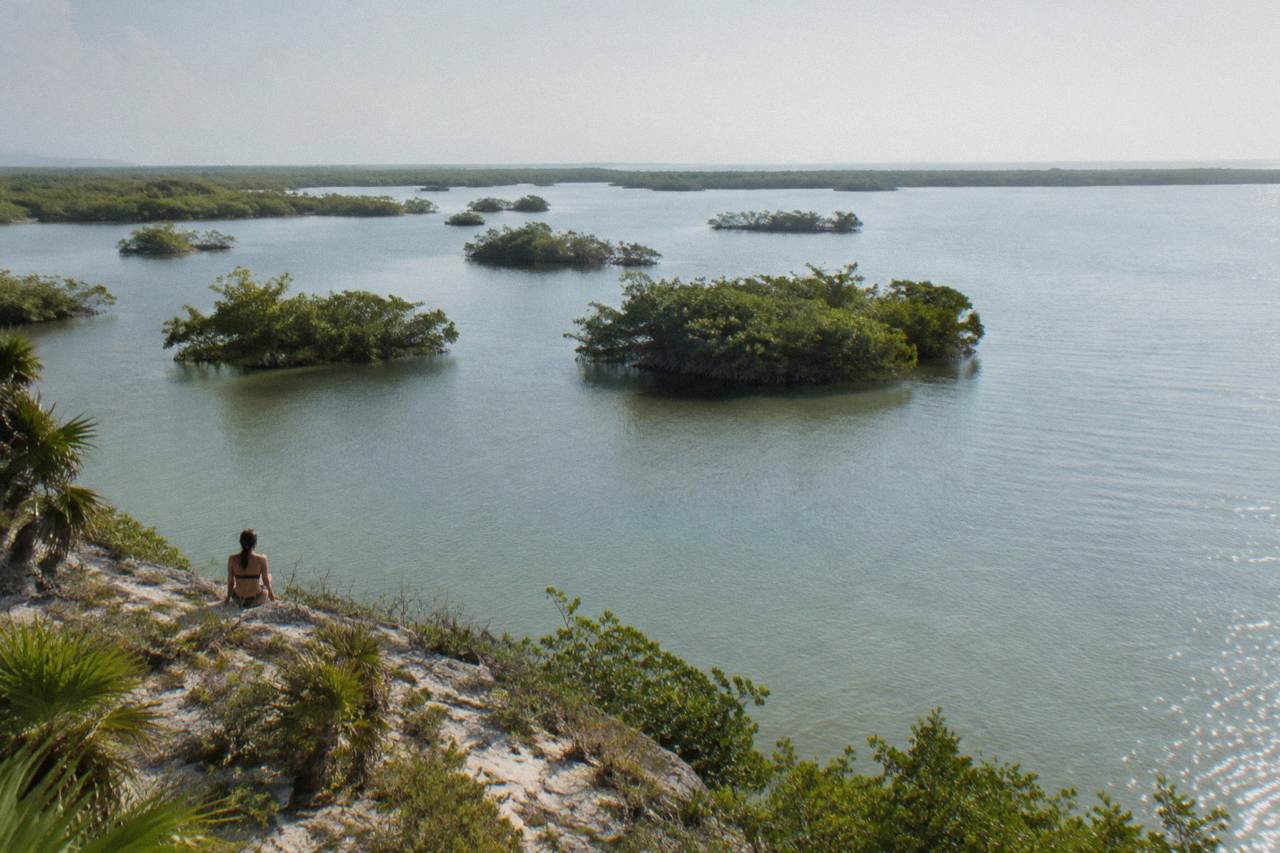
South of Tulum, Highway 307 runs past the last hotel zones and then the map changes character completely. A green block appears between the road and the sea, stretching south along the Caribbean coast. That block is the Sian Ka'an Biosphere Reserve, and it is the single reason the coastline south of Tulum still looks the way it does: 528,148 hectares of tropical forest, freshwater and brackish lagoons, mangroves, cenote-fed wetlands and Mesoamerican Reef, all under federal protection since 1986. If you're curious how Sian Ka'an fits into the bigger picture, this guide to Mexico's network of biosphere reserves explains how the protection system works and which reserves you can actually visit.
The name is Mayan and it is usually translated as "where the sky is born" or "origin of the sky," a reference to the way the sunrise appears to rise out of the flat coastal plain where land and water blur together. You can read more about the name itself in what Sian Ka'an means in Mayan. This guide covers the practical questions: how big the reserve is, why UNESCO listed it, what lives inside it, and what a visitor can actually do there, whether that is a Muyil ruins and canal float, a full-day Punta Allen boat trip, a sunset kayak or a birdwatching morning.
The short answer for anyone planning: the reserve is real, enormous and strictly managed. Independent access is limited to authorized points, most rental agreements prohibit the coastal dirt road to Punta Allen, and the standard way to experience the interior is with licensed local operators. On Sian Ka'an Reserve we compare those bookable options side by side, because a reader learning what the reserve is arrives one step from choosing a tour.
What Is The Biosphere Reserve South Of Tulum?
The biosphere reserve south of Tulum is Sian Ka'an, a federally protected area decreed on 20 January 1986 and declared a UNESCO World Heritage Site in 1987. It spans 528,148 hectares, mixing terrestrial, coastal and marine zones along roughly 120 km of Quintana Roo coastline, and it sits immediately south of Tulum, with its northern access points barely half an hour from town. It is a "biosphere reserve" in the specific UNESCO sense: a landscape where conservation and sustainable human use are meant to coexist, so people live, fish and guide inside its buffer zones while three large core zones stay off-limits to development. Because those core zones are off-limits to development, actually spending the night inside the reserve is trickier than you might expect, as our guide to overnight stays in Sian Ka'an explains.
The reserve's decree, published in the Diario Oficial, fixes its surface at 528,147.67 hectares and divides it into three core zones and a buffer zone. The core zones are Muyil at 33,418.50 hectares, Cayo Culebras at 6,105 hectares and the huge Uaimil block at 240,180.50 hectares, with the remaining 248,443.67 hectares managed as buffer where the community cooperatives run their tours. In practice the names visitors encounter are simpler: Muyil on the lagoon side, and Punta Allen at the end of the long coastal dirt road.
People sometimes confuse the designation levels. Sian Ka'an holds three of them at once. It is a national protected area under Mexican law, a UNESCO World Heritage Site under criteria (vii) and (x) for both scenic value and biodiversity, and a Ramsar wetland of international importance, site no. 1329, designated on 27 November 2003 with a listed area of 652,193 hectares. The Ramsar boundary is larger than the federal decree because it takes in surrounding wetland systems. If you are mapping a trip, our overview of how to visit the biosphere reserve walks through the entry points in order.
One more framing point matters for visitors. This is not a national park with a single gate and a loop road. It is closer to a working landscape the size of a small country, dotted with Mayan communities, fishing villages like Punta Allen, and cooperatives that hold the concessions for boats, kayaks and guides. That structure explains almost everything about how tours are sold and why independent visits are restricted, a question we treat in detail in visiting without a tour.
How Big Is The Sian Ka'an Biosphere Reserve?
Size is the reserve's defining practical fact: you cannot see it, you can only see a corner of it.

The official decree numbers, verified against the CONANP text, break down like this:
| Zone | Area (hectares) | Status |
|---|---|---|
| Muyil core zone | 33,418.50 | Strict conservation, lagoon side |
| Cayo Culebras core zone | 6,105 | Strict conservation, coastal |
| Uaimil core zone | 240,180.50 | Strict conservation, southern block |
| Buffer zone | 248,443.67 | Sustainable use, community tourism |
| Total (decree) | 528,147.67 | Federal protected area since 1986 |
Size translates directly into logistics. The reserve gate at Caseta Muyil is about 23 km from Tulum, but Punta Allen, the fishing village at the far southern end of the coastal road, is roughly 46 to 50 km of dirt track beyond the Caseta Arco Maya checkpoint, currently a 3 to 4 hour drive while rehabilitation work continues. That road reality is why the full-day Punta Allen boat trip from Tulum, from $254 per person with a 4.9 rating from 1,227 reviews, the most reviewed of the 26 tours on this site, starts with pickup in Tulum, and most of the day is spent on the water. Check availability on the operator's live listing if that day shape fits your trip.
The marine half of the size question deserves its own sentence. The 120,000 hectares of protected water include part of the Mesoamerican Reef system, the sea grass beds that support the reserve's small West Indian manatee population, and the lagoon complexes that connect freshwater springs to the ocean. A half-day lagoon and ruins tour only ever touches one edge of this, which is the honest pitch of every tour on this site: nobody sells you Sian Ka'an, they sell you one doorway into it.
Why Is Sian Ka'an A UNESCO World Heritage Site?
UNESCO inscribed Sian Ka'an on the World Heritage List in 1987 under criteria (vii) and (x): outstanding natural beauty and, separately, significant habitat for threatened species.
The wetland credentials came later. In 2003 the Ramsar Convention designated the area as wetland site no. 1329, citing 652,193 hectares of interconnected marine, coastal and freshwater systems and listing the green, loggerhead, hawksbill and leatherback turtles and the manatee as the endangered anchor species. Between the UNESCO and Ramsar designations, essentially every habitat type in the reserve now sits under at least one international instrument, on top of the 1986 federal decree that created it.
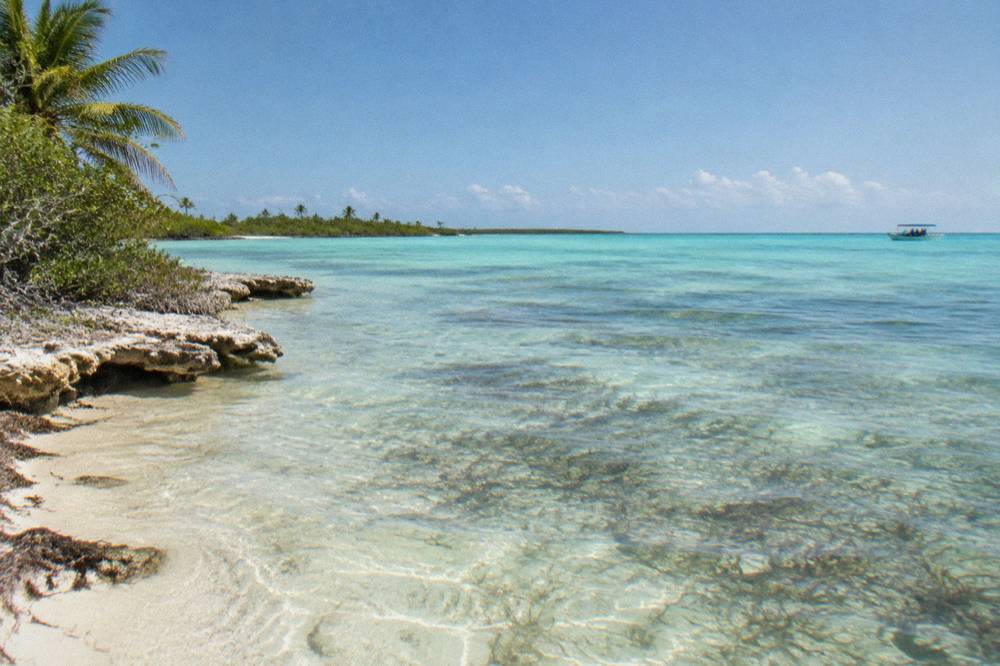
The species inventory is the part first-time visitors underestimate. CONANP's 2025 count, cited in the IUCN Conservation Outlook assessment, documents 1,015 plant species, 361 fish, 20 amphibians, 72 reptiles, 373 birds, 115 mammals and 1,725 invertebrates. The bird number has grown with surveying: the older UNESCO figure of 330 species with 219 breeding has been superseded by the CONANP 2025 count of 373, with 407 noted in interface zones around the boundary. That is the statistical background to why a guided birdwatching morning with a specialist like Eddy, from $95 per person and rated 5.0 from 140 reviews, is a genuine product category here rather than a niche add-on.
Listing status also has a regulatory tail. Because the reserve is World Heritage, in October 2026 Semarnat confirmed no new mass-tourism infrastructure would be authorized inside it; in October 2026 Semarnat confirmed no new mass-tourism infrastructure would be authorized, keeping the focus on small community-based operations like the cooperatives at Muyil and Punta Allen. For a visitor, that is why the experiences inside the reserve remain boats with a dozen seats, kayaks and walking trails, not marinas and boardwalk malls.
What Habitats Does The Reserve Protect?
The reserve stacks at least six major habitat types in a narrow coastal band: semi-evergreen tropical forest, freshwater and brackish lagoons, mangrove forests, seasonally flooded wetlands called savannas, cenote and spring systems, and the reef and sea grass environments of its 120,000 marine hectares. What makes Sian Ka'an unusual is that all six sit within a few kilometers of each other and barely ten meters of elevation, so a single day can move from dry jungle canopy to open lagoon to open sea. Pulling off a day like that starts with knowing where the reserve actually begins, so this guide to Sian Ka'an's location south of Tulum is a smart first read.
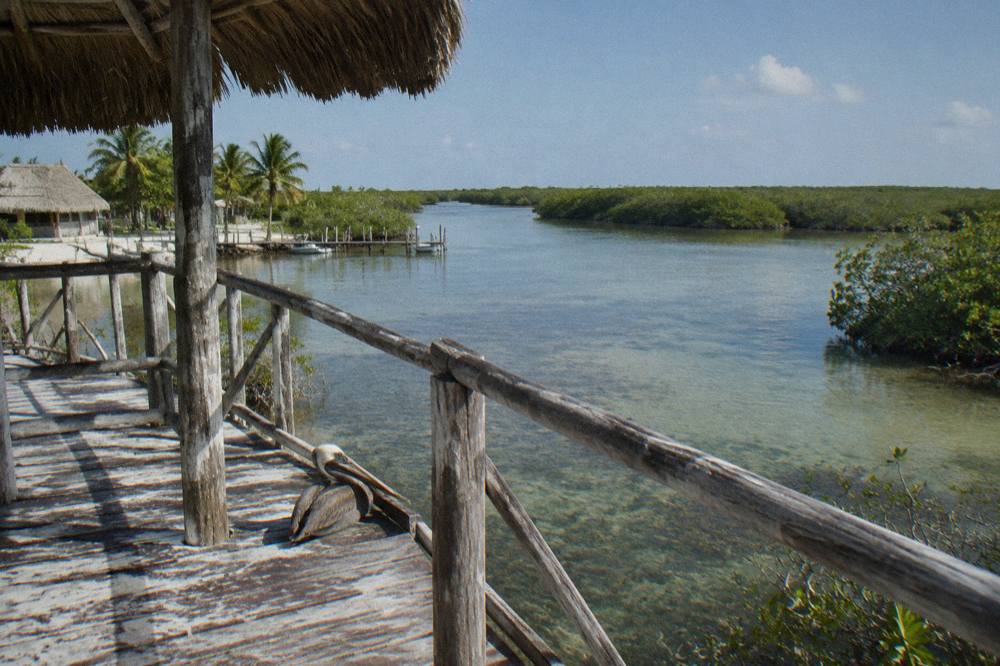
The underlying geology explains the layout. The lagoons behind the barrier beach link to the sea, and the bridge at Boca Paila spans the lagoon outlet where the coast road continues toward Punta Allen. Those springs feed the lagoon chains behind the barrier beach, mix with seawater in the brackish systems, and historically were channelized by the Maya, whose hand-dug canals still link Muyil to the lagoons. Those ancient canals are the setting for the canal float experiences, the contemplative drift where the current carries you through mangrove corridors, a product we cover in depth in the Muyil floating canals guide.
| Habitat | Where visitors meet it | Typical tour format |
|---|---|---|
| Tropical semi-evergreen forest | Muyil trails, jungle walks | Ruins and birding walks |
| Freshwater lagoons | Muyil and Chunyaxché lagoons | Boat ride and canal float |
| Mangrove forest | Canal edges, lagoon margins | Boat, kayak |
| Brackish wetlands and savannas | Boca Paila lagoon system | Boat safari, kayak |
| Reef and sea grass | Punta Allen coast, reef patches | Boat trip with optional snorkel |
| Archaeological zone | Muyil ruins on Highway 307 | Ruins tours, birding walks |
The mangroves deserve a special word because they are the reserve's engine. Red, black, white and buttonwood mangroves line the lagoon margins, trap sediment, buffer hurricanes and shelter juvenile fish for the reef. On a sunset kayak, the birds you pass settling into the mangroves to roost, herons, roseate spoonbills and frigatebirds among them, are the visible output of that engine. The cooperative kayak tour from Tulum, from $102 per person with a 4.9 rating from 95 reviews, paddles exactly this interface, and it includes both a traditional Mayan breakfast and lunch prepared in the community.
On the seaward side, the habitats change character again. Behind the sand barrier, the flats and natural pools near Punta Allen are shallow and warm; beyond them, the reef drops into the marine zone where tours describe possible dolphin and turtle sightings, always as possibilities, never promises, because conditions and animals vary. The reserve's rules are strict on all of this: no touching, feeding or chasing wildlife, and no sunscreen in the water, which we explain in the what to bring guide.
What Can Visitors Actually Do Inside Sian Ka'an?
Almost everything visitors do inside the reserve falls into five formats: a boat trip on the lagoons or to Punta Allen, the ancient-canal float from Muyil, kayaking at sunrise or sunset, birdwatching walks, and guided visits to the Muyil archaeological zone. All are run through licensed operators or community cooperatives, all leave from Tulum or the Riviera Maya, and together they cover all 26 tours you can book on this site. There is no self-drive scenic route through the interior and no free-roaming option inside the core zones.
Prices across the 26 tours on this site run from $95 per person for a birdwatching morning up to $619 per person for a private full-day charter, with most shared options clustered between $95 and $269. Here is how the main formats compare on the numbers that matter when choosing:
| Format | Example tour | Duration | From (per person) | Rating and reviews |
|---|---|---|---|---|
| Full-day Punta Allen boat trip | Mexico Kan Tours, Tulum | 10 hours | $254 | 4.9, 1,227 reviews |
| Ruins, boat ride and canal float | Mexico Kan Tours, Tulum | 6 hours | $219 | 4.9, 846 reviews |
| Ancient Maya canals, community co-op | Community Tours Sian Ka'an | 8 hours | $162 | 4.8, 611 reviews |
| Canal float only | Tulum Diving and Travel | 3 to 5 hours | $170 | 4.7, 49 reviews |
| Sunset kayak | Yucatan Outdoors, Tulum | 3 hours | $120 | 5.0, 316 reviews |
| Guided birding with Eddy | Birdwatching Tours by Eddy | 3 to 4 hours | $95 | 5.0, 140 reviews |
The canal float deserves the fullest description because it is the experience most distinct to this reserve. From the dock on the Muyil lagoon, a boat crosses open water to the mouth of an ancient canal, and then you slip into the water wearing a life vest, locally nicknamed the "Mayan diaper" style worn upside down, and let the gentle current carry you along a near-kilometer contemplative stretch through the mangroves.
For travelers based in Playa del Carmen or points north, the same experiences exist with longer transfer days: a full-day boat experience from the Riviera Maya runs from $229 per person with a 4.9 rating from 180 reviews. We map those departures in the tour from Playa del Carmen guide and the tour from Cancun guide. The reserve itself is identical; only the drive changes.
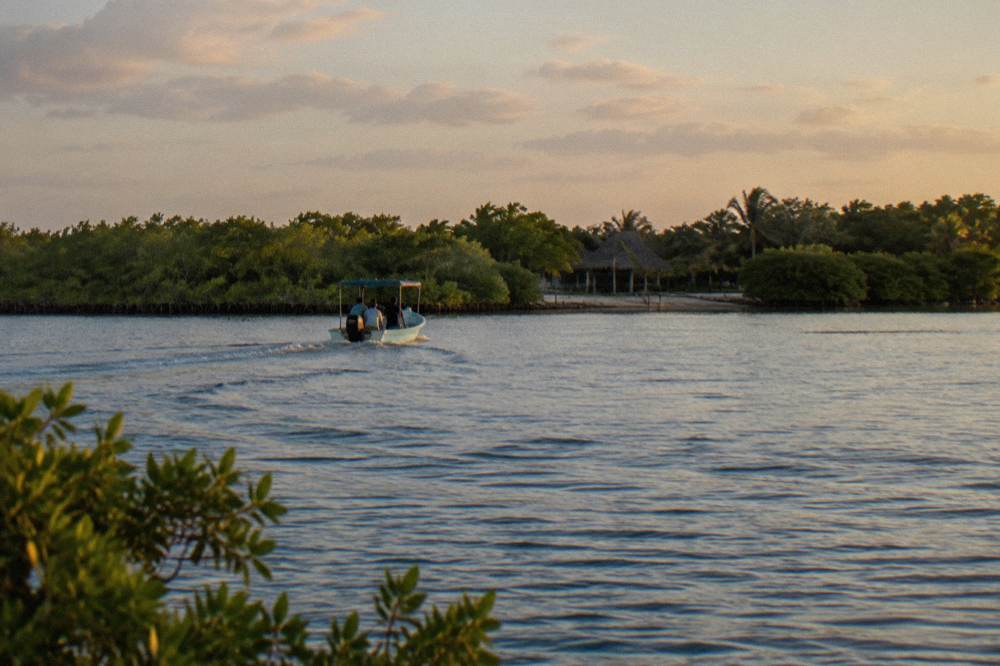
One honest caveat belongs in any "what do you do there" answer: the reserve is not a snorkeling destination in the way Cozumel or Akumal are. Snorkeling on the boat trips is typically a 20 to 45 minute stop over a reef patch, subject to sea conditions, and 2026 has been an unusually heavy sargassum year, with the seaweed season running roughly May to October and peaking June and July. Operators treat the snorkel stop as optional and conditional, and the better question to ask when booking is whether the boat ride and the lagoon system are enough for you, because for most visitors they are.
How Do You Enter The Reserve From Tulum?
You can enter the reserve from Tulum through two practical gateways: the Muyil entrance on the lagoon side, reached by driving about 23 km south of town along Highway 307, or the coastal route, which passes through the Caseta Arco Maya checkpoint on the Punta Allen road. Both are staffed CONANP access points where the federal entry fee of MXN 225 per person per day is collected, with a paper bracelet as proof of payment, and the reserve is open daily from 7:00 to 18:00. Official details are on the CONANP protected areas page.
| Access point | Distance from Tulum | What it leads to | Notes |
|---|---|---|---|
| Caseta Muyil | about 23 km | Muyil ruins, lagoon, canals | INAH site fee separate from reserve fee |
| Caseta Arco Maya (Punta Allen road) | from Tulum hotel zone | Boca Paila, Punta Allen | Roughly 46 to 50 km of dirt road |
| Cooperatives and centros ecoturísticos | various | Licensed local operations | Independent visits restricted |
The Muyil side is the easy one. The archaeological zone sits right on the highway, INAH opens it daily 8:00 to 17:00 with last entry at 16:30, and entry costs MXN 80 for nationals and foreign residents and MXN 145 for foreign visitors. The site reopened to the public around 11 February 2026 after a closure dating to June 2024, with eleven structures restored and a new visitor unit built, so any description of Muyil written before 2026 is out of date; the INAH site page carries the current hours and rules. No food, no pets and no smoking apply inside the zone.
The coastal side is the hard one, and we treat it at length in the Boca Paila road guide. The essentials: about 46 to 50 km of unpaved track, a 3 to 4 hour drive in current conditions, rehabilitation about 80 percent complete as of October 2026 with a projected 40 to 45 minute drive once finished, and most rental car agreements prohibit the road outright. Tours solve this with their own vehicles and drivers, which is a large part of what you are paying for on any Punta Allen product.
Two rules follow you through either gate. First, sunscreen: the CONANP visitor rules as reported list no sunscreen at all inside the reserve, and "reef-safe" has no legal meaning in Mexico, so the safe formula is shade, a rash guard, a hat and no sunscreen in the water. Second, drones are prohibited both in protected natural areas and over archaeological zones, so leave the quadcopter in the bag.
What Wildlife Lives In The Biosphere?
The reserve documents 4,091 species, and the headline residents are four nesting sea turtle species, a small West Indian manatee population, the American crocodile, and big cats including jaguar, puma and ocelot, alongside 373 bird species recorded by CONANP in its 2025 inventory. The cats and manatees are real but essentially invisible to visitors; what tours actually encounter are dolphins in the marine zone, turtles near the reef and flats, herons, spoonbills and frigatebirds in the lagoons, and crocodiles at a respectful distance in the mangroves. No operator guarantees any sighting, and none should.
The bird list is where the reserve outperforms expectations. Of the 330 species UNESCO records, 219 breed locally. A newer count lists 373, and the November to March window is regarded by operator guides as the best birding period, when northern migrants join the residents. A morning walk at Muyil can produce herons and other waders, with the guide interpreting the sightings; the specialist birding tours, like the shared-group Muyil walk from $119 per person rated 5.0 from 125 reviews, exist precisely because a generalist guide cannot deliver the same list. Binoculars are the one piece of gear to bring or borrow, and those listings offer to lend them.
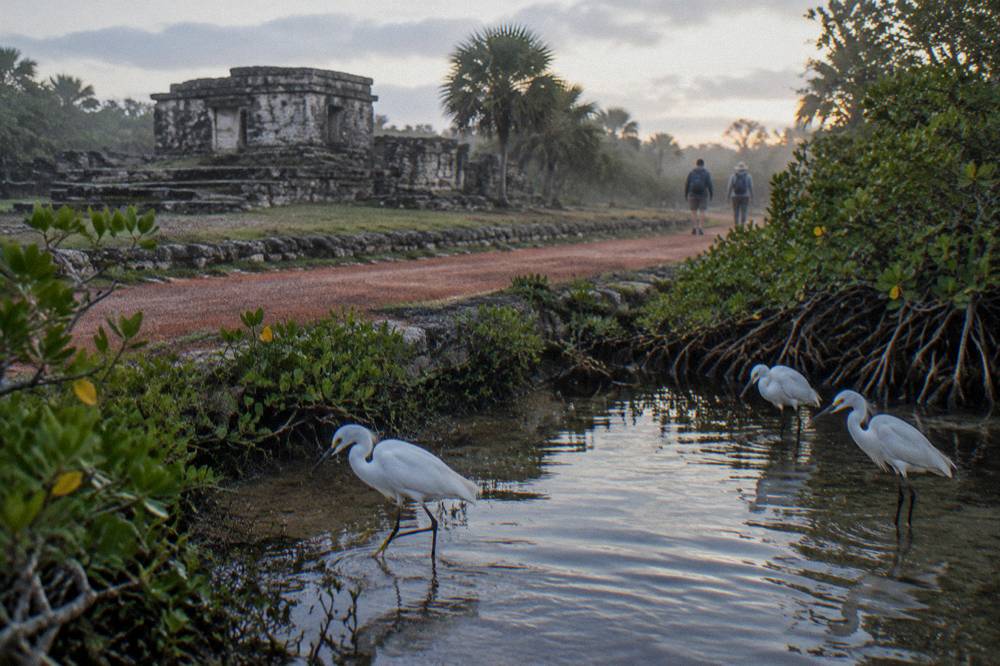
Marine life follows the habitat map. The sea grass beds support the manatee population and hold the turtles that graze them; the reef patches carry the reef fish; the flats near Punta Allen are where dolphin sightings are commonly reported from boats. All of it is governed by the no-touching, no-feeding rule, and by seasonal realities: sargassum in the May to October window can change what a given day looks like on the water, and hurricane season runs 1 June to 30 November, though the 2026 season has so far run below normal with eight named storms and none reaching hurricane strength through early October.
| Species group | Documented count | Where tours typically encounter it |
|---|---|---|
| Birds | 373 species | Muyil trails, lagoons, mangroves |
| Plants | 1,015 species | Throughout, jungle and wetland |
| Fish | 361 species | Reef patches, lagoons |
| Reptiles | 72 species | Mangroves, flats, nesting beaches |
| Mammals | 115 species | Mostly unseen; dolphins from boats |
| Invertebrates | 1,725 species | Reef and wetland systems |
For visitors who want the wildlife angle specifically, the Sian Ka'an wildlife guide goes deeper on each group, and the practical pairing we point most readers toward is simple: a boat-based product for the marine side and a walk-based product for the bird side, ideally on different mornings, because the light and the animals differ.
Which Tour Fits Your First Visit To Sian Ka'an?
For a first visit, the choice usually comes down to three shapes: the full-day Punta Allen boat trip if you want the maximum range of the reserve in one day, the Muyil ruins and canal float if you want history plus water in six hours, and a birdwatching or kayak morning if your priority is quiet and wildlife over distance. Match the tour to your base and your stamina, not to a headline, because the difference between a 6-hour and a 10-hour day in this heat is real. The trio below covers those three shapes in one view.
A few honest selection notes from comparing the listings. If you are based in Playa del Carmen, the Riviera Maya departures, the full-day boat experience from $229 or the dolphins and turtles day trip from $179, save you the self-drive to Tulum. If you are traveling with young children or short on time, the half-day discovering tour, from $204 with a 4.9 rating from 270 reviews, keeps the boat, the snorkel gear and the lunch while cutting the day to six hours. And if your interest in the reserve is really the birds, book the birding morning first and treat everything else as the bonus.
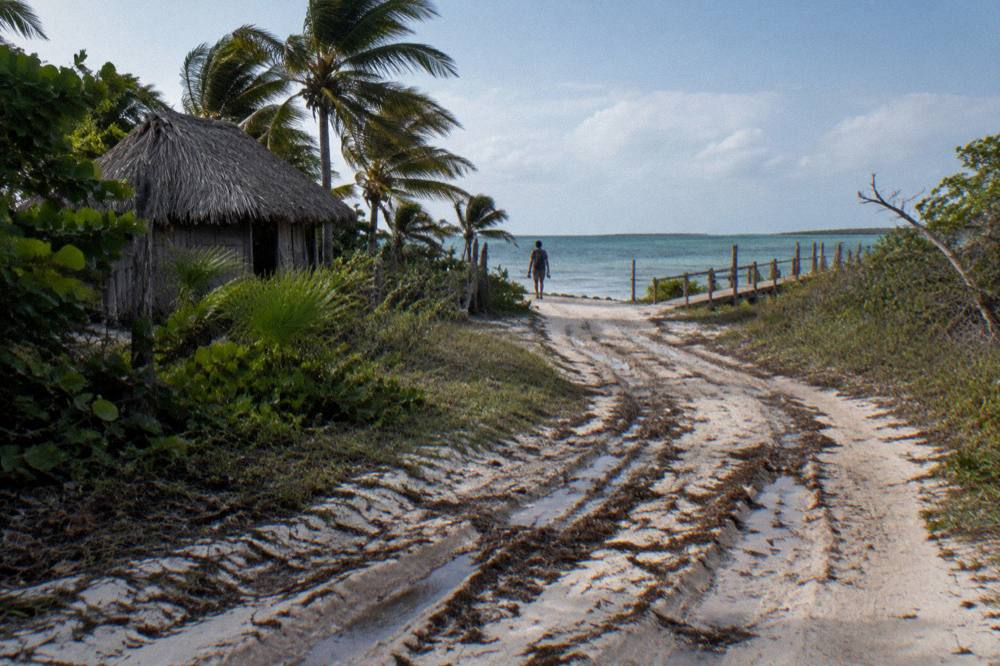
Whichever door you choose, the reserve rewards knowing what it is before you go: a 1986 federal decree, a 1987 UNESCO inscription, a 2003 Ramsar listing, and a living landscape of cooperatives that keep it that way. The best time to visit guide finishes the planning picture with the seasons, and the best tours roundup ranks the tours on this site against each other.
Common Questions About The Biosphere Reserve South Of Tulum
What Is The Biosphere Reserve South Of Tulum?
It is Sian Ka'an, a federally protected biosphere reserve decreed on 20 January 1986, inscribed by UNESCO in 1987 and listed as Ramsar wetland no. 1329 in 2003. It covers 528,148 hectares of forest, wetlands, lagoons and reef along about 120 km of coastline immediately south of Tulum.
How Big Is The Sian Ka'an Biosphere Reserve?
528,148 hectares in total under the federal decree, of which more than 400,000 hectares are land and 120,000 hectares are marine area. Its three core zones are Muyil (33,418.50 ha), Cayo Culebras (6,105 ha) and Uaimil (240,180.50 ha), plus a 248,443.67 hectare buffer zone.
Can You Visit The Biosphere Reserve Without A Tour?
Only partially. You can visit the Muyil archaeological zone independently and pay the reserve fee at the gate, but access to the lagoons, canals and Punta Allen runs through licensed cooperatives and operators, and independent visits to the interior are restricted. Most people book a tour, and the boat, kayak and float products all run through community concessions.
What Is The Entrance Fee For Sian Ka'an?
MXN 225 per person per day, collected by CONANP at the authorized access points, with a paper bracelet as proof of payment. Children under 12, seniors, pensioners and persons with disabilities are exempt, and students and teachers get 50 percent off with credential. The Muyil archaeological zone charges a separate INAH fee of MXN 80 or MXN 145.
What Animals Live In The Sian Ka'an Biosphere Reserve?
CONANP's 2025 inventory documents 4,091 species, including 373 birds, 115 mammals, 72 reptiles and 361 fish. The emblematic residents are four nesting sea turtle species, the West Indian manatee, the American crocodile, jaguar, puma and ocelot. Visitors most often see birds, dolphins from boats and turtles, with no sighting guaranteed.
Is Sian Ka'an The Same Thing As The Biosphere Reserve In Tulum?
Yes, in the sense that the biosphere reserve people mean when they say "in Tulum" is Sian Ka'an, which begins just south of the town and its hotel zone. The reserve is not inside Tulum; Tulum is the northern gateway to it, with the Muyil entrance about 23 km south of town on Highway 307.