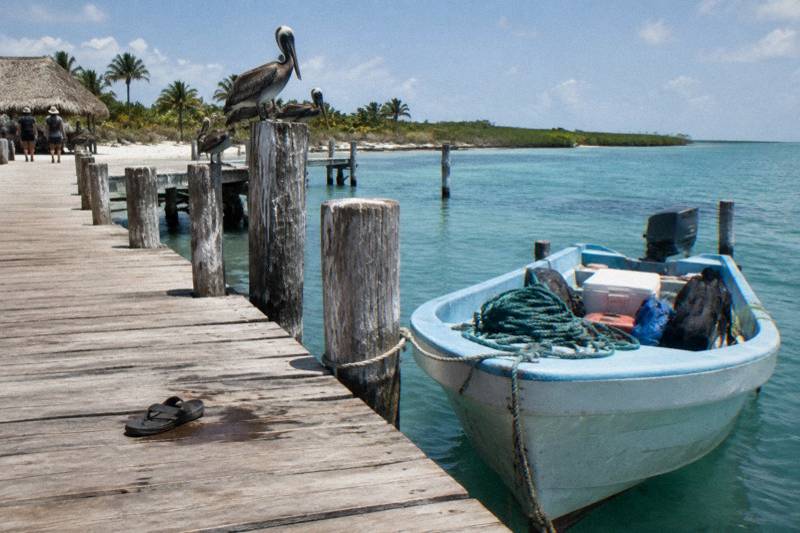
What Are The Biosphere Reserves Located In Mexico?
Mexico's biosphere reserves explained, from the UNESCO framework to Sian Ka'an on the Quintana Roo coast: how a reserve works, what rules apply, and which tours visit one in a day.
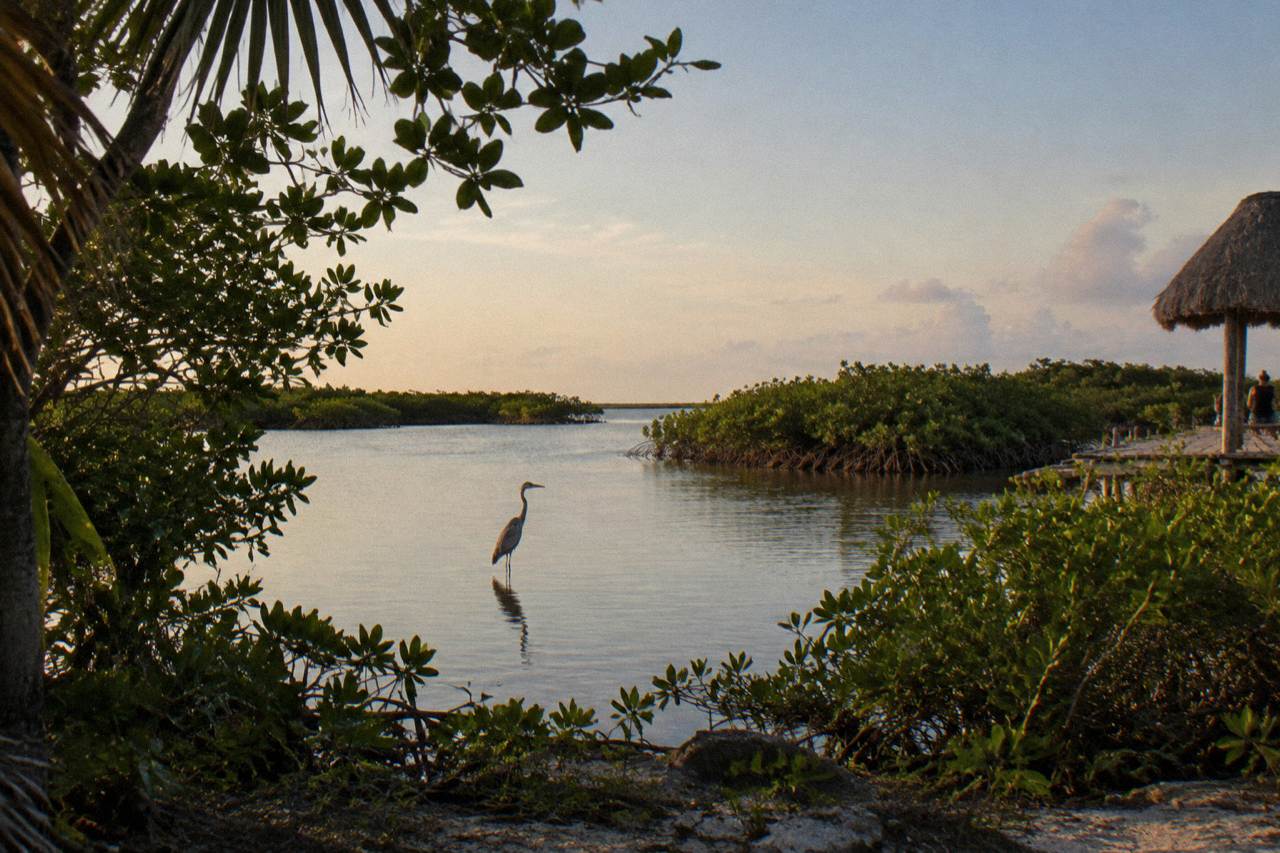
Mexico was an early mover in the biosphere reserve movement. The idea, formalized by UNESCO's Man and the Biosphere programme, is simple enough: protect a large living landscape, but keep the people who live inside it working the land and the water in ways that do not destroy it. Reserves are meant to be lived in, studied and used, not fenced off. Mexico embraced the model enthusiastically, and today its network of reserves covers deserts, cloud forests, volcanic peaks, monarch butterfly forests, mountain canyons and, on the Yucatan Peninsula, the lagoon and reef mosaic of Sian Ka'an, about 20 minutes south of Tulum. This site exists to cover that one reserve in depth, so this page frames the national picture around it: what the designation actually means on the ground, how a reserve differs from the national parks most visitors already know, and how you experience one in a single day. Before you plan that day, the map and access guide to Sian Ka'an explains exactly where the reserve sits on the Yucatan coast and which small towns make practical bases for a visit.
The practical differences matter to travelers. A biosphere reserve typically has core zones where access is restricted, buffer zones where community tourism and fishing cooperatives operate, and a fee and rulebook administered by Mexico's National Commission of Natural Protected Areas, CONANP. In Sian Ka'an that structure shapes everything: which gates you enter through, the bracelet you wear, the licensed guides who run the boats, and the local cooperatives that manage the docks at Muyil and the village tourism at Punta Allen. If planning a trip around those rules feels like a lot to figure out, our step-by-step guide to visiting Sian Ka'an covers how to pick a tour, choose a base town, and pack within the reserve's restrictions.
Where Can You Find Mexico's Biosphere Reserves?
Mexico's biosphere reserves are large, UNESCO-recognized protected landscapes spread across the whole country, from montane forests and northern deserts to coastal wetlands, rather than a single park you can point to on one map. The complete official list is long and changes as new reserves are decreed, so we do not reproduce a count here. The Quintana Roo reserve of Sian Ka'an is among the oldest and best known, inscribed by UNESCO in 1987.
The name "biosphere reserve" comes from UNESCO's Man and the Biosphere programme, and Mexico joined early. Reserves are proposed by national governments and admitted to the UNESCO World Network, which now spans most of the planet. Mexico's own entries are decreed domestically under federal protected-area law and managed day to day by CONANP, which is the same agency that runs national parks, marine parks and flora and fauna protection areas. That is why the line between reserve categories can feel blurry from outside: the same rangers, the same fee schedules, often the same rules.
A useful way to picture the national network is by landscape type. Mexico has desert reserves in the north, cloud forest and monarch butterfly reserves in the central mountains, tropical forest reserves in the south, and coastal and marine reserves on both the Pacific and the Caribbean. In 2026 Semarnat and CONANP confirmed that no major new mass-tourism developments will be authorized inside Sian Ka'an. The focus stays on conservation and small-scale community tourism, such as the Vigía Chico area, which signals how the reserve model is meant to work: people stay, development stays modest, and the landscape stays whole.
For most readers of this site, one reserve is the practical destination. Sian Ka'an sits on the Caribbean coast of Quintana Roo, south of Tulum, and it stacks three designations at once: a 1986 federal decree creating the protected area, the 1987 UNESCO inscription, and Ramsar wetland site number 1329, designated in 2003. Few places in the country carry all three, which is why Sian Ka'an Reserve coverage on this site is deeper than any general Mexico list could be.
If your interest is a specific trip rather than the theory, the reserve format you will actually encounter is the guided day tour: a full-day boat trip down to Punta Allen, a ruins-and-canal-float combination at Muyil, or a small-group birdwatching morning. These two are among the most reviewed faces of the reserve.
How Does A Biosphere Reserve Differ From A National Park?
A biosphere reserve is a zoned living landscape where people farm, fish and host visitors alongside conservation, while a national park is generally a stricter, single-status protected area focused on preserving scenery and ecosystems. In Mexico both are run by CONANP, so fees, hours and enforcement feel similar; the real difference is that reserves are designed around permanent human communities, which is why Punta Allen village and the Muyil cooperative exist legally inside Sian Ka'an.
The zoning is the heart of it. Sian Ka'an's 1986 decree, published in the Diario Oficial, defines three core zones, Muyil with 33,418.50 hectares, Cayo Culebras with 6,105 hectares and Uaimil with 240,180.50 hectares, plus a buffer zone of 248,443.67 hectares, all inside a total surface of about 528,148 hectares of marine, coastal and terrestrial territory along roughly 120 km of coastline. The core zones absorb the strictest protection; the buffer zone is where the cooperatives and licensed tour operators work. A classic national park map rarely draws that distinction, because the whole park is usually managed as one unit.
The human layer shows up in the tours themselves. The ancient Maya canals tour on this site is run by Community Tours Sian Ka'an, a cooperative operation whose listing includes breakfast of traditional Mayan cuisine prepared by native Mayan people, and whose water refills come from the cooperative's own Mayan palapa (see Meaning of Sian Ka'an). That is not a coincidence or a marketing flourish; it is the biosphere model doing what it was designed to do, channeling visitor money to the communities inside the reserve. The full-day Punta Allen trip, similarly, ends with lunch served in the village of Punta Allen, at the end of the dirt road into the reserve.
The distinction also explains the rules. Because reserves protect working landscapes and fragile wetlands, the visitor rulebook can be stricter than a park's. The reserve's official page lists daily hours of 7:00 to 18:00. CONANP visitor rules prohibit sunscreen of any kind inside the reserve, along with campfires, pets, sound equipment, fishing without authorization, collecting plants or animals and straying onto unauthorized trails. Drones are prohibited in protected natural areas, and INAH separately prohibits them over archaeological zones such as Muyil.
Want to see the reserve model in action rather than read about it? The Punta Allen full day is the clearest demonstration.
Why Is Sian Ka'an The Best Known Reserve On The Yucatan Coast?
Sian Ka'an is the best known Yucatan reserve because it was inscribed as a UNESCO World Heritage Site in 1987, and because it combines ruins, lagoons, ancient Maya canals, reef and mangroves within easy reach of Tulum. It protects about 120 km of Caribbean coastline, four nesting sea turtle species, a small West Indian manatee population and hundreds of bird species, all about 20 to 30 minutes from a major tourist town.
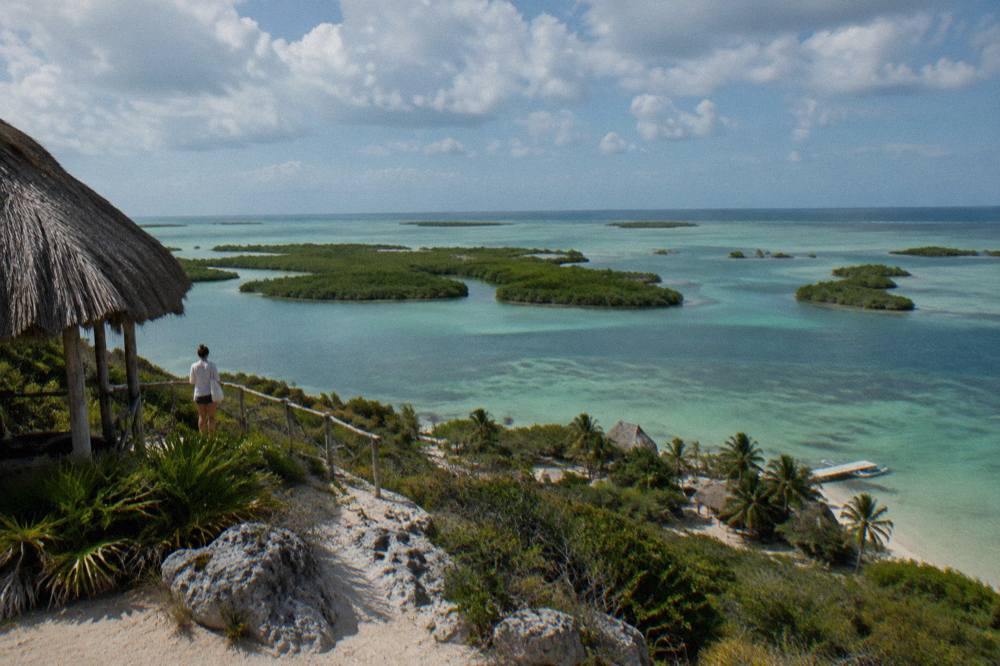
The designation history is unusually dense. The federal decree came first, on 20 January 1986. UNESCO followed in 1987 under criteria (vii) and (x), making Sian Ka'an one of the earlier Mexican natural sites on the World Heritage list, described on the UNESCO page for the property. The Ramsar convention added the wetlands to its list in November 2003 as site 1329, covering an even larger 652,193 hectares and citing endangered green, loggerhead, hawksbill and leatherback turtles alongside the manatee. Three layers of international recognition in under two decades.
The biodiversity numbers come from CONANP's 2025 inventory, cited in the IUCN Conservation Outlook assessment: 4,091 documented species in total, including 1,015 plants, 361 fish, 373 birds, 115 mammals and 1,725 invertebrates. Older UNESCO counts list 330 bird species, of which 219 breed in the reserve. Manatee, jaguar, puma, ocelot, tapir and American crocodile all appear on the official fauna lists. No official source gives month-by-month wildlife calendars, so this site does not either; what can be said is that the reserve's own page recommends visiting all year round.
Accessibility is the other half of the answer. Tulum sits 23 km from the Caseta Muyil entrance, and the Muyil ruins themselves are on Federal Highway 307 at km 208, a straightforward drive down the main Riviera Maya road. Compare that with Mexico's desert or mountain reserves, many of which need days of travel, and the reason for Sian Ka'an's popularity is obvious. The CONANP page for the reserve is the official source for hours, fees and access points.
One caution belongs here because it shapes every itinerary: the northern coastal road to Punta Allen is about 46 to 50 km of dirt track from the CONANP checkpoint, currently a 3 to 4 hour drive, with rehabilitation reported about 80 percent complete as of 9 October 2026 and a projected 40 to 45 minute drive once finished. Most rental agencies prohibit their vehicles on it. Boat tours from Tulum handle the drive in with their own vans, then do most of the distance by boat.
What Fees And Rules Apply Inside Mexican Biosphere Reserves?
Expect a federal daily access fee, zoned entry points and a strict conduct rulebook. In Sian Ka'an the fee is MXN 225 per person per day, collected by CONANP at Caseta Arco Maya and Caseta Muyil, with a paper bracelet as proof; the reserve is open daily 7:00 to 18:00. Exemptions exist for seniors, pensioners, disabled persons and children under 12, and students and teachers get 50 percent off with credential.
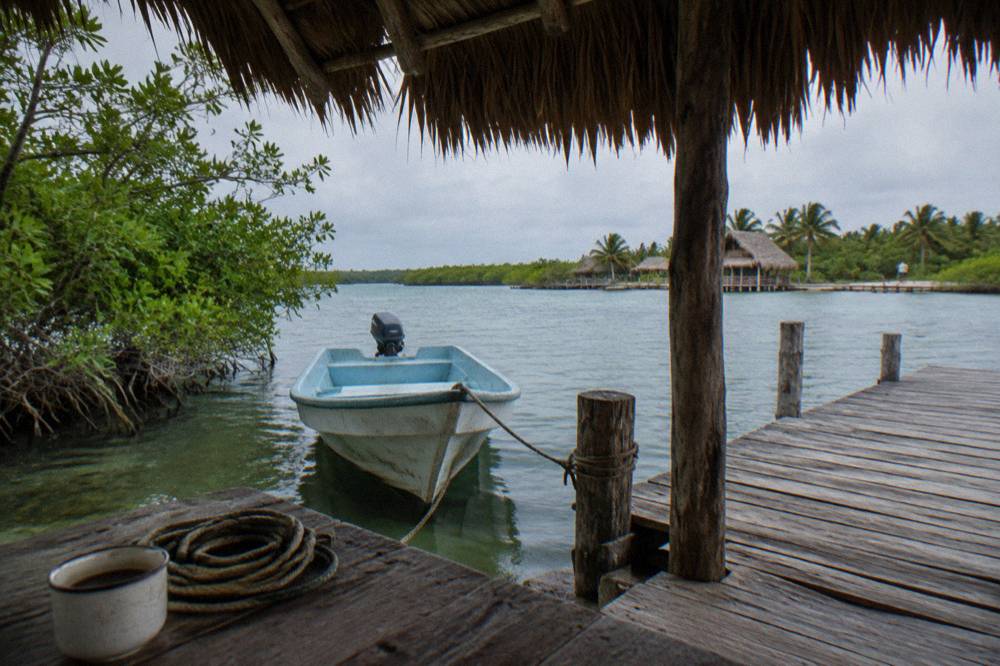
Some tours fold the fee into the price and some do not, and the distinction is worth checking before you book. Among the 26 tours on this site, the half day with lunch from Riviera Maya lists "Entrance fees to the reserve" among its inclusions, while the community-run ancient Maya canals tour states plainly that the approximately MXN 225 fee is a mandatory extra. The sunset kayak listing likewise lists the entrance fee as payable separately. Neither approach is wrong; you just want to know which you are buying so you arrive with cash. The rest of the planning pages sit on Sian Ka'an Reserve.
At Muyil there is a second, separate fee, because the archaeological zone is administered by INAH rather than CONANP. The INAH page for Muyil lists MXN 80 for nationals and foreign residents, MXN 145 for foreign visitors, daily hours 8:00 to 17:00 with last entry at 16:30, and simple site rules: no food, no pets, no smoking. The zone reopened to the public about 11 February 2026 after closure for conservation interventions on 11 structures, which is why so much current traveler information about Muyil reads fresh but thin.
| Fee or rule | Figure | Who collects it |
|---|---|---|
| Reserve daily access | MXN 225 per person per day | CONANP at Caseta Arco Maya and Caseta Muyil |
| Muyil archaeological zone, foreign visitors | MXN 145 | INAH at the site |
| Muyil archaeological zone, nationals and residents | MXN 80 | INAH at the site |
| Reserve hours | Daily 7:00 to 18:00 | CONANP |
| Muyil hours | Daily 8:00 to 17:00, last entry 16:30 | INAH |
| Proof of payment | Paper bracelet worn on site | CONANP |
The conduct rules follow the reserve model's logic: the landscape is a workplace as well as a habitat. Visitors may not feed, touch, chase or harass wildlife, observation happens from a distance, and licensed local guides are the norm for exactly that reason. Sunscreen is the rule that catches the most visitors out. The CONANP visitor rules for the reserve are reported as prohibiting sunscreen outright, with no "reef-safe" exception, and reef-safe has no legal meaning in Mexico anyway. The practical substitute is shade, a rash guard and a hat, with nothing on your skin when you enter the water. Drones are prohibited in protected natural areas and over archaeological zones, so leave them at the hotel.
Which Tours Show You A Biosphere Reserve In A Day?
Three Tulum-based tour formats show you the biosphere reserve in a single day: a boat day trip across the lagoons and reef to Punta Allen with lunch included, a canal float trip pairing the Muyil archaeological site with a lazy drift down an ancient Maya canal, and small-group kayak or birdwatching mornings on the water at first light, with prices from $95 per person for a birding morning to $619 per person for a private full day.
The flagship is the full-day Punta Allen boat trip, 10 hours from Tulum, from $254 per person, rated 4.9 from 1,227 reviews, making it the most reviewed of the tours on this site. It includes hotel pickup and drop-off in Tulum, a local guide, a boat with snorkeling equipment, fruit, water, snacks and lunch. Dolphins and turtles are what the listing describes as the boat's focus, with sightings never promised, because in a biosphere reserve the animals decide their own schedules. Pickup outside Tulum carries per-person surcharges that scale with distance up the coast, from $10 per person between Conrad Tulum and Puerto Aventuras to $45 per person for the Cancun downtown area, all stated on the listing.
A sister listing, the Sian Ka'an boat trip adventure with lunch, runs the same 10 hours from $254 with the same operator and also from $254 per person, keeps lunch and a beach stop but skips the snorkel gear from its listed inclusions, and the half day discovering Sian Ka'an with lunch compresses the idea into 6 hours from $204 per person, boat, snorkel gear and life vest included. What the half day trades away is the far end of the reserve: Punta Allen village itself, which only the 10-hour lines reach.
The Muyil side is the archaeology-plus-water format. The Muyil archaeological site and canal float guided tour from Tulum, 6 hours, from $219 per person, rated 4.9 from 846 reviews, includes hotel pickup in Tulum, snacks and a professional guide, with entry fees listed as included on the sister lazy river listing that covers the same route with tacos as well as snacks. The canal float itself is the signature: a slow, life-jacketed drift down a channel the Maya dug through mangroves to move goods between lagoon and sea. The float itself is a contemplative passage of roughly 30 to 45 minutes, and dock and boat operations are handled by the local ejido cooperative.
The quietest format of all is paddle power. The sunset kayak tour, 3 hours in groups capped at eight, from $120 per person and rated 5.0 from 316 reviews, sends you across lagoon water as the frigatebirds and herons head for their mangrove roosts, with certified kayak guides and all safety equipment included and the MXN 225 reserve fee payable separately. The sunrise version runs the same water at first light, same 3 hours and price. Both are the purest expression of what a reserve visit can be: slow, silent, and guided by people who know the water.
When Is The Best Time To Visit A Yucatan Reserve?
The dry season, November to April, is the most comfortable window for a Yucatan reserve visit, with a climate dataset putting the rainy season at May to October and annual rainfall near 1,120 mm spread over about 81 rain days. Hurricane season runs from 1 June to 30 November, and sargassum seaweed on Caribbean beaches peaks around June and July, so late autumn through spring stacks the fewest variables against you.
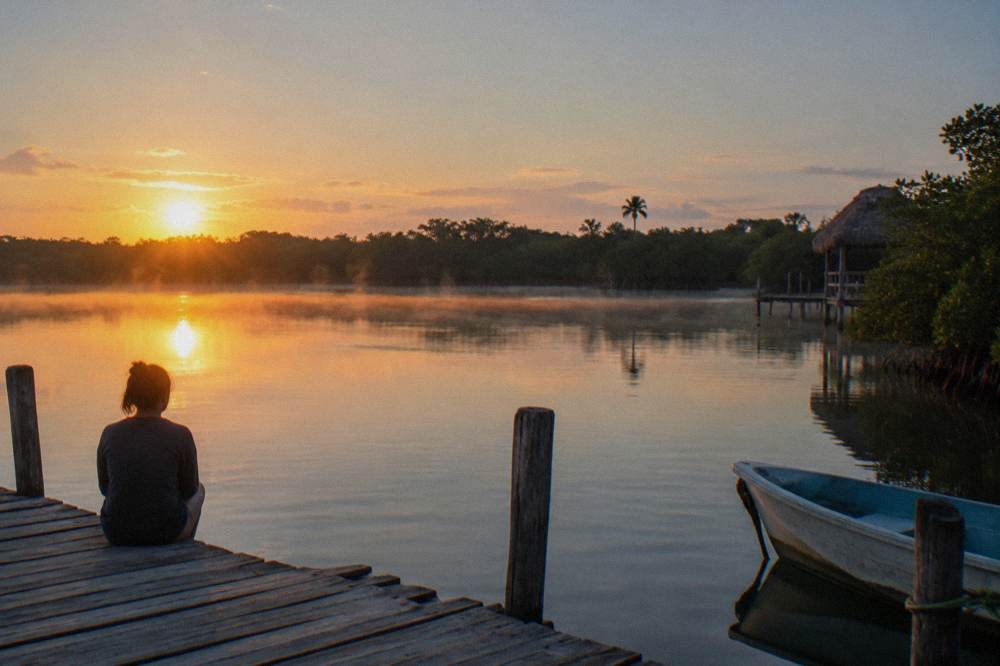
Those are climate patterns, not guarantees, and 2026 underlined why: sargassum arrived along Quintana Roo beaches from January, months ahead of the historical norm, in what has been an unusually heavy year. The season normally spans about May to October. Nobody can promise you a clear-water day or a weedy one, and this site never tries; what the pattern tells you is which months carry the most uncertainty.
For birders the timing question has a sharper answer, with one caveat: no official month-by-month wildlife calendar exists for the reserve, so the only seasonal guidance on record is an operator-guide view that birding is best from November to March, when northern migrants join the resident species. Early mornings and late afternoons are the daily peak. The birdwatching morning with Eddy, from $95 per person and rated 5.0 from 140 reviews in groups capped at six, is built around exactly that rhythm, and the shared Muyil birding tours from $119 per person add breakfast and coffee at first light.
Sea temperature is the quiet constant: a climate dataset puts it at 26 to 29 C year round, which is why the boat and kayak formats run in every month. Rain, when it comes in the wet season, tends to arrive in short heavy bursts rather than all-day gray, and the reserve's own guidance is simply that any time of year works. The month that demands the most planning flexibility is September, the statistical peak of hurricane risk; the 2026 season to early October had produced eight named storms and none of hurricane strength, a below-normal outcome, but that says nothing about any future season.
If you are weighing Sian Ka'an against other Yucatan options, the guide to what the biosphere reserve south of Tulum actually is covers the comparison in depth, and the best time to visit Sian Ka'an guide breaks the seasons down month by month against the tour calendar.
Which Reserve Experience Fits Your Trip?
Match the format to your energy, your base and your budget rather than to a single "best" answer. From Tulum, the 10-hour Punta Allen boat day from $254 per person suits travelers who want the whole reserve arc including reef snorkel and village lunch, the 6-hour Muyil ruins and canal float from $219 per person suits ruins-minded visitors, and the birdwatching morning from $95 per person suits early risers on a leaner budget.
Your base matters more in this reserve than in most Mexican parks, because pickup zones drive the final price. Some Mexico Kan Tours listings include Tulum pickup and then add per-person surcharges as you move north: $10 from the Conrad Tulum stretch to Puerto Aventuras, $20 to Paradisus Playa del Carmen, $30 to Iberostar Gran Paraíso, $40 to the Cancun airport area and $45 to Cancun downtown. A Playa del Carmen base has dedicated listings of its own, including a full day from Playa from $235 per person rated 4.9 from 28 reviews, and a full-day boat experience from Riviera Maya from $229 per person. Private versions of several formats run up to $619 per person for the full-day private adventure.
Time of day is the other lever. The sunrise kayak and the early-morning community canals tour both lean on the 6:00 a.m. window, when the water is glassy and the birds are moving, while the sunset kayak closes the day over the same lagoons. Between those poles, the half-day and full-day boat trips both start at 07:00 at the meeting point in Tulum, with the reef snorkel dependent on sea conditions. Whichever you choose, book the format that matches your appetite for boats, paddling or walking, not the one with the biggest headline, and read the inclusions line by line, because the differences between similar-sounding tours are almost always in the details: which fees are bundled, whether lunch is included, and how far north your pickup reaches.
Those three formats between them cover the most rewarding ways in.
Common Questions About Biosphere Reserves In Mexico
What Are The Biosphere Reserves Located In Mexico?
Mexico's biosphere reserves form a national network of protected landscapes spanning deserts, mountains, cloud forests and coasts, recognized under UNESCO's Man and the Biosphere programme and managed domestically by CONANP. The full official list changes as new reserves are decreed, so we do not print a count. The Quintana Roo reserve of Sian Ka'an, south of Tulum, is one of the oldest and the easiest for travelers to visit, with UNESCO inscription in 1987 and Ramsar wetland status since 2003.
How Is A Biosphere Reserve Different From A National Park?
A biosphere reserve is zoned for conservation and human life together, with core zones under strict protection and buffer zones where communities farm, fish and host visitors. A national park is generally a single-status protected area focused on preservation. In Mexico both are administered by CONANP, so fees and enforcement feel similar from a visitor's perspective.
Do You Have To Pay To Enter Sian Ka'an?
Yes. CONANP collects MXN 225 per person per day at Caseta Arco Maya for the Punta Allen side and at Caseta Muyil, with a paper bracelet as proof of payment. The Muyil archaeological zone charges a separate INAH fee of MXN 145 for foreign visitors and MXN 80 for nationals and foreign residents. Some tours include these fees and some list them as extras, so check the inclusions before booking.
Can You Visit A Mexican Biosphere Reserve Without A Guide?
Partly. Access to Sian Ka'an is limited to authorized points such as Muyil and the Punta Allen route, independent visits are restricted in most zones, and cooperatives or licensed operators typically manage entry and activities. The practical route for most travelers is a booked tour; the formats, prices and inclusions are covered in the tour sections above.
Is Sunscreen Allowed Inside The Reserve?
The CONANP visitor rules for Sian Ka'an are reported as prohibiting sunscreen of any kind, with no reef-safe exception, and reef-safe has no legal meaning in Mexico. Plan on shade, a rash guard and a hat instead, and keep sunscreen off your skin for any water activity inside the reserve.
When Is The Best Time To Visit Sian Ka'an?
The dry season, November to April, is the most comfortable window; the rainy season runs May to October and hurricane season from 1 June to 30 November. Sargassum on Caribbean beaches typically peaks around June and July, though 2026 saw early arrivals from January. Sea temperature sits at 26 to 29 C year round, and the reserve's own guidance is that any month works.