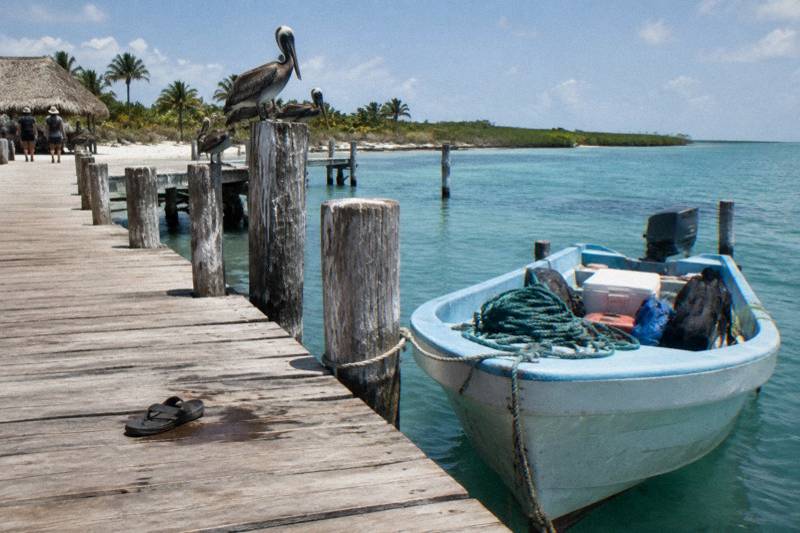
Best Time To Visit Sian Ka'an: Seasons, Weather And Wildlife
Sian Ka'an runs on two seasons, a dry stretch from November to April and a rainy stretch from May to October, and the season you pick changes which tour is worth booking: boat days and canal floats in the dry months, birding and kayaking when the lagoons are full.
Short answer
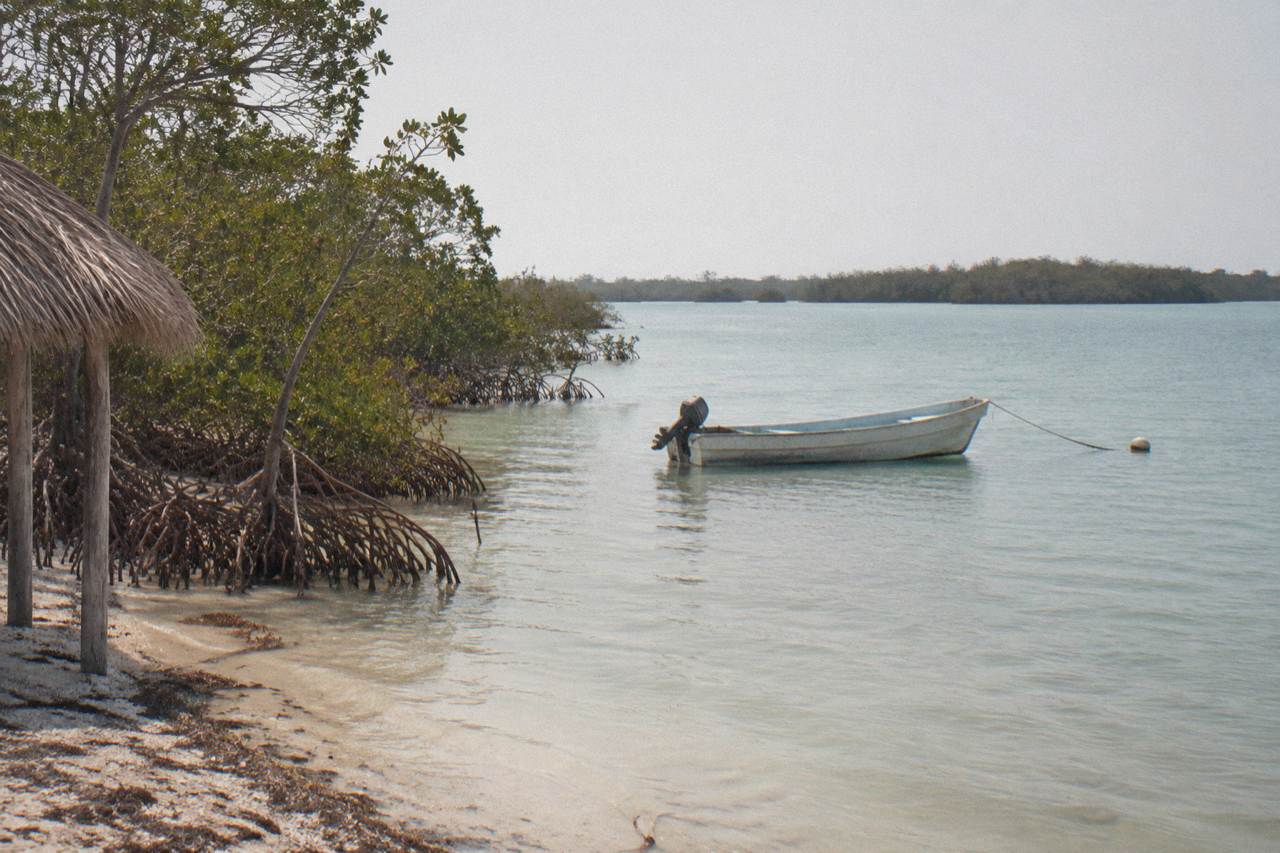
The dry season, November to April, is the most reliable window for Sian Ka'an: less rain, calmer seas for boat trips to Punta Allen and clearer days on the Muyil lagoon. The reserve's own managers say all year round is recommended. Birding guides favor November to March, when migrants join resident species.
Sian Ka'an does not have four seasons. It has two: a dry stretch from November to April and a rainy stretch from May to October, with hurricane season layered over the second half of the year from 1 June to 30 November. That simple split decides most of what a visitor cares about, from whether the boat ride out to Punta Allen is smooth to whether the lagoon at Muyil is at its fullest for the canal float. Season decides which tour is worth booking, and this guide works through that decision month by month. The same calendar shapes the rough drive south, so pair it with our Punta Allen safety guide before you lock in your dates.
The reserve's managers at CONANP take a relaxed view, stating that all year round is recommended to visit, and they have a point. The full-day Punta Allen boat trip, the most reviewed of the 26 tours on this site at 1,227 reviews and a 4.9 rating, runs year round, as do the sunset kayak and the Muyil ruins and canal float. What changes is the texture of the day: rain, wind, seaweed, insects and birdlife all move with the calendar.
When Is The Best Time To Visit Sian Ka'an?
For the most dependable weather, November to April is the best time to visit Sian Ka'an: the dry season brings less rain, calmer conditions for boat trips and lagoon days at Punta Allen and Muyil. For birdwatching, guides favor November to March. Travelers who accept afternoon showers in the May to October rainy season get lusher landscapes and the same tours, usually with more availability. Whenever you decide to go, a quick read of the Mayan meaning behind the name Sian Ka'an adds context to the lagoons and ancient sites you'll be touring.
The honest answer is that the dry season wins on reliability but not on everything. A climate dataset puts annual rainfall at Tulum at 1,120 mm spread over 81 rain days, and the large majority of that falls between May and October. In the dry months you are buying predictability: a higher chance that the sea state allows the reef snorkel stop on the Punta Allen trip, and a lower chance that a cloudy sky flattens the light over the lagoon for wildlife watching.
The wet months are not a write-off. Rain at this latitude tends to arrive in heavy bursts rather than all-day drizzle, the sea stays warm, and the reserve is noticeably quieter. Every tour on this site comes with free cancellation, so a wet-season booking carries less risk than it sounds. The trade-offs are mosquitoes, sargassum on the beach side in the peak months of June and July, and the small but real chance of a tropical system between June and November.
What Is The Weather Like In Sian Ka'an By Season?
The dry season, November to April, brings lower rainfall and sea temperatures from about 26 to 29 C. The rainy season, May to October, delivers most of the area's 1,120 mm of annual rain over roughly 81 rain days, with warm air throughout the year. These figures come from a secondary climate dataset for Tulum, the nearest long-record station to the reserve.
The two seasons are not symmetric. November through February is the coolest stretch; March and April are the driest, the months when northern cold fronts can occasionally push through and drop both temperature and humidity for a day or two. March and April heat up steadily while staying mostly dry. May is a transition month: hot, increasingly humid, and the point at which the first serious rains usually return.
June through October is the wet heart of the year. Mornings frequently open clear, with cloud and rain building through the afternoon, and early starts such as the sunrise kayak tours dodge both the heat and the build-up. The sea remains warm across the whole span, from about 26 to 29 C across the year in the climate dataset, so cold water is never the issue in Sian Ka'an. The issues are rain, wind, insects and seaweed, and each has its own season within the season.
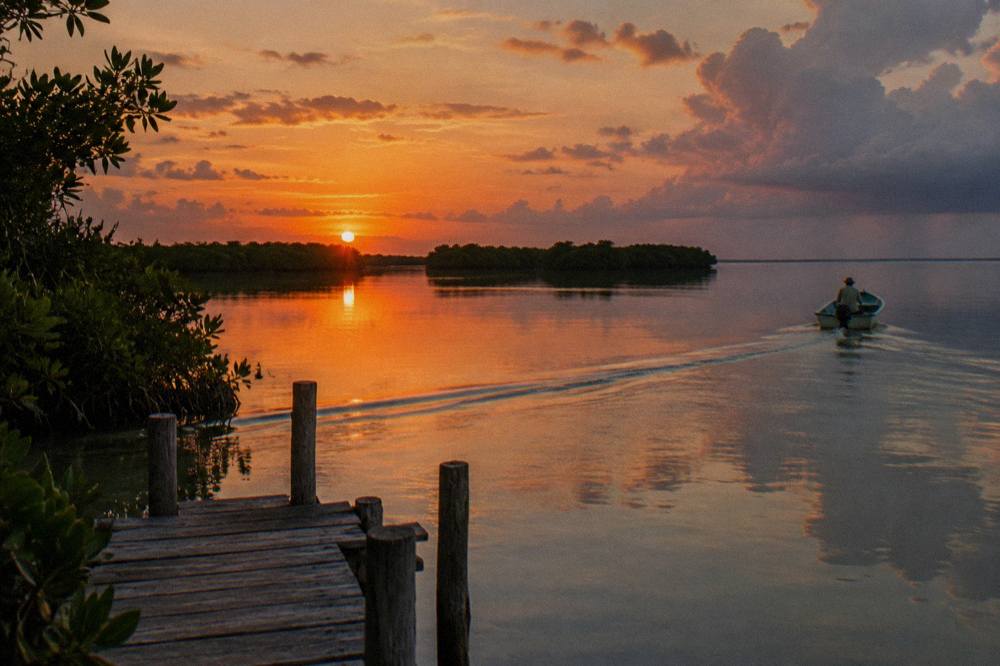
For travelers matching a tour to a season, three products cover the spread. The full-day Punta Allen boat trip (from $254 per person, 10 hours) is the one most exposed to sea conditions, so it belongs to the steadier months. The sunset kayak (from $120 per person, 3 hours, group max 8) works in almost any month because the lagoons it uses are sheltered. The Muyil ruins and canal float tour (from $219 per person, 6 hours) is the all-rounder, mixing archaeology with a float on inland water that rain does not spoil.
| Season | Months | Rain pattern | What it means for a visit |
|---|---|---|---|
| Dry season | November to April | Lowest rainfall of the year per the climate dataset | Best odds for boat trips, snorkel stops and clear lagoon days |
| Transition | May | Hot and humid, first heavy rains return | Quieter trails, rising insect activity |
| Early wet season | June to July | Regular afternoon rain, sargassum peak | Lush landscape, seaweed risk on beaches, good availability |
| Late wet season | August to October | Highest rainfall months, hurricane risk peaks | Lowest crowds, warm sea, watch forecasts closely |
A rough month-by-month shape of the year, using the secondary climate dataset's whole-degree sea values, looks like this:

When Is Hurricane Season On The Riviera Maya?
Atlantic hurricane season runs from 1 June to 30 November, as published by the US National Hurricane Center, with the higher-risk window from August to October. A visit in those months is usually fine, but it pays to book tours with free cancellation and to keep an eye on forecasts in the days before a boat trip to Punta Allen or a kayaking morning.
The official definition comes from NOAA's National Hurricane Center, which sets the Atlantic season from 1 June to 30 November each year. For the Yucatan coast, the climatologically busier part of that span is late August through October, when ocean heat is at its peak. The 2026 season so far has been quiet by the numbers, with eight named storms recorded through early October and none reaching hurricane strength, and the seasonal outlook has stayed below normal.
Quiet outlooks are not guarantees, and this site does not promise weather. What can be said firmly is practical: every tour on this site comes with free cancellation, so a September or October booking is financially low-risk even if a system forms. Operators, not visitors, make the call on sea state, and the boat tours that include a reef snorkel stop describe that stop as dependent on conditions rather than scheduled regardless.
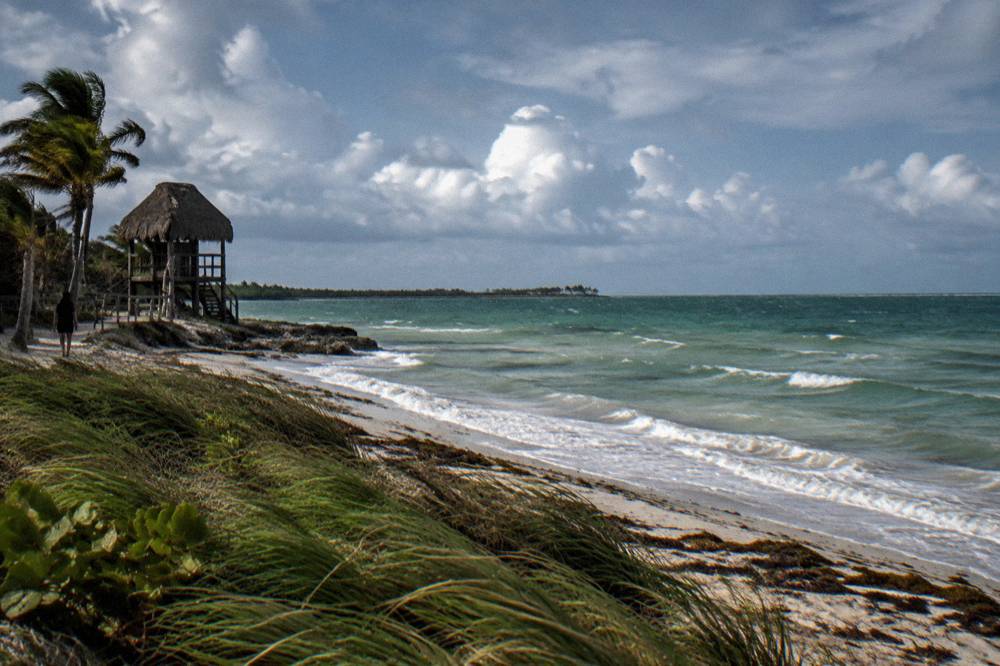
The 10-hour Punta Allen full day is the longest exposure to weather of any tour on this site, since it includes the boat ride out through the lagoons and along the coast, lunch in the village and a possible snorkel stop. In the peak hurricane months it is worth checking the forecast two or three days out rather than the night before. The listing's inclusions are specific: hotel pickup and drop-off in Tulum, a local guide, a boat with snorkeling equipment, fruit, water, snacks and lunch, from $254 per person, with extra pickup fees applying north of Tulum toward Playa del Carmen and Cancun.
When Is Sargassum Season In Tulum And Sian Ka'an?
Sargassum season on the Mexican Caribbean runs roughly May to October, peaking in June and July, and 2026 has been an unusually heavy year with early arrivals reported from January. Inside the reserve the effect is felt mainly on the beach and reef side, while the lagoon and canal areas around Muyil are largely sheltered from it.
Seaweed is the factor most first-time visitors underestimate. Monitoring of the Mexican Caribbean puts the sargassum season at about May through October, with the heaviest months June and July, and 2026 has been an outlier year, with arrivals along Quintana Roo beaches reported as early as January, months ahead of the historical norm. No one can promise a clear day or a weedy one on any given date.
What the seaweed does change is the choice of tour. The beach and reef-facing experiences, including the snorkel stops on the Punta Allen boat trips, are the ones exposed to it. The inland water is not: the Muyil canal float, the lagoon kayaking and the birdwatching walks all take place on inland freshwater lagoons and ancient canals behind the coastal barrier, less exposed to beach sargassum. A June visitor who swaps a reef-focused day for the Muyil ruins and lazy river experience loses very little.
That Muyil float listing (from $219 per person, 4.8 from 439 reviews on the lazy river version) includes hotel pickup in Tulum, entry fees, a certified guide and the ruins visit, with breakfast and lunch excluded. The canal float itself is a slow drift through an ancient Maya canal. Weather and tides can change the itinerary, so check the operator's notes before you book.
When Is The Best Birdwatching Season In Sian Ka'an?
Birding guides in the area consistently describe November to March as the best window, when migratory species join the reserve's residents, and early mornings as the best time of day year round. The official species count is 373 birds per CONANP's 2025 inventory, and no official source publishes month-by-month sighting claims, so the seasonal guidance stays a guide's view, not a guarantee.
The reserve is one of the great birding sites in Mexico. UNESCO's inscription record notes more than 300 species with 219 breeding, and the more recent CONANP 2025 inventory cited by the IUCN World Heritage Outlook puts the documented count at 373 species, with 407 noted in interface zones. Resident stars include roseate spoonbills, magnificent frigatebirds, herons and waders that gather at the mangrove roosts around Boca Paila, plus the ocellated turkey among the endemic fauna listed on the CONANP ficha. The rest of the planning pages sit on Sian Ka'an Reserve.
The seasonal pattern, as the local guides frame it, is that the dry months from November to March bring northern migrants and concentrated activity at the lagoons, while early mornings and late afternoons are the productive hours in any month. Sunset trips exploit that second pattern deliberately: the sunset kayak listing offers wildlife and birdwatching interpretation, and operator pages describe waders and frigatebirds returning to roost in the mangroves at dusk.
For a dedicated birding morning, you have several options among the tours on this site, from a guided morning with a local specialist (from $95 per person, 5.0 from 140 reviews, 3 to 4 hours) to shared group walks at Muyil with breakfast included (from $119 per person). The dedicated guide, Sian Ka'an birdwatching tours, compares them in detail. If your trip lands in the wet season and birds are the priority, the birding walks are the single best-matched product type, since they work in the early window before afternoon rain.
Which Tours Run In Which Season Around Muyil And Punta Allen?
Every tour on this site runs year round, though each type has a season where it performs best: boat trips to Punta Allen favor the dry season's calmer sea, the Muyil canal float works in any weather, kayaking suits early starts in the wet months, and birding walks peak November to March. Booking is a matter of matching the product to the month, not of closure windows.
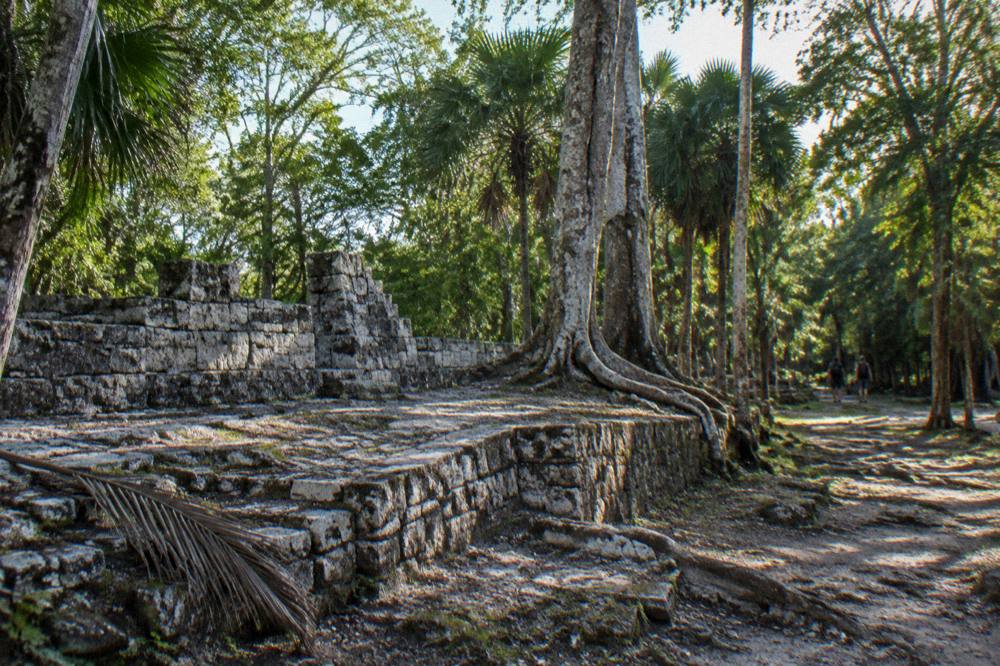
The reserve itself does not close seasonally. It is open daily from 7:00 to 18:00, entry costs MXN 225 per person per day collected by CONANP at the access checkpoints, and the Muyil archaeological zone inside it keeps daily hours of 8:00 to 17:00 with last entry at 16:30, at MXN 80 for nationals and foreign residents and MXN 145 for foreign visitors. Muyil reopened to the public in February 2026 after a long closure for conservation work on 11 structures, so current visitors are seeing a freshly restored site.
| Tour type | Best-fit months | Why | Example listing |
|---|---|---|---|
| Full-day Punta Allen boat trip | November to April | Calmer sea improves the boat ride and snorkel stop odds | From $254 per person, 10 hours, 4.9 from 1,227 reviews |
| Muyil ruins and canal float | Any month | Inland lagoon and canal, unaffected by seaweed | From $219 per person, 6 hours, 4.9 from 846 reviews |
| Sunrise or sunset kayak | Any month, especially May to October | Early and late windows dodge rain build-up and heat | From $120 per person, 3 hours, 5.0 from 316 reviews |
| Birdwatching walk | November to March | Migrants join resident species, per local guides | From $95 per person, 3 to 4 hours, 5.0 from 140 reviews |
| Private full day | Any month | Flexible pacing, guide adjusts to conditions | From $619 per person, 10 hours, 4.9 from 48 reviews |
One structural point worth knowing when you plan: the road to Punta Allen, roughly 46 to 50 km of dirt track from the Arco Maya checkpoint, has been undergoing rehabilitation through 2026 and was reported about 80 percent complete in early October, with driving time currently 3 to 4 hours and a projected 40 to 45 minutes when finished. That is one more argument for letting a tour operator handle Punta Allen rather than driving it yourself, in every season. The Punta Allen full day guide covers the logistics.
What About Mosquitoes And Rain In The Wet Season?
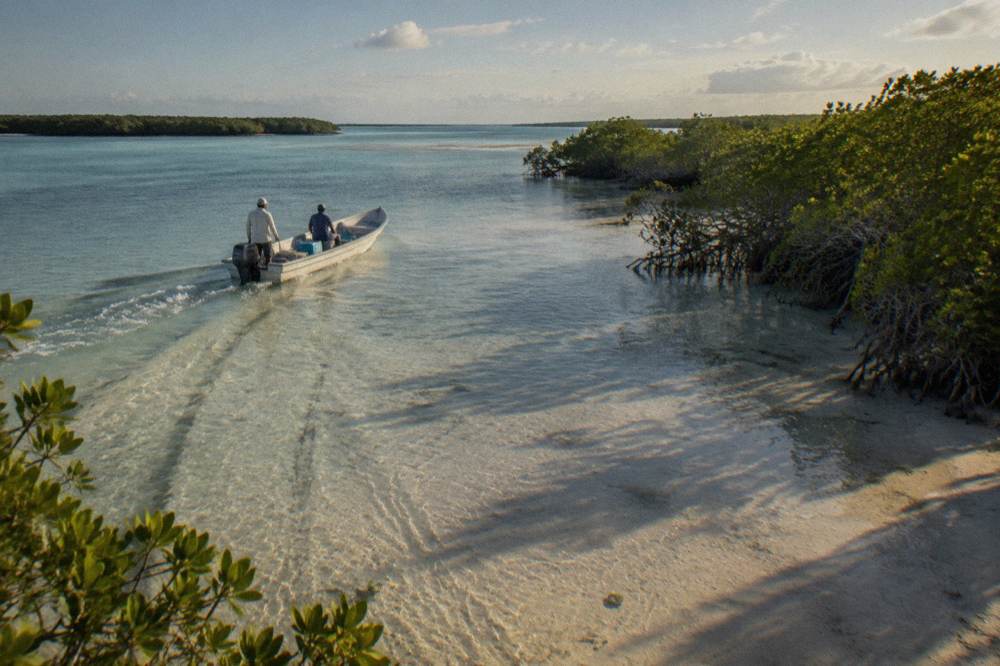
Insect activity around Sian Ka'an is highest in the wet months, roughly May to November, when standing water and humidity both peak, while the dry season is markedly more comfortable. Rain itself usually arrives in heavy afternoon bursts rather than lasting all day, so wet-season touring is about timing your day around the build-up, not writing off the day.
Nothing on the official CONANP pages quantifies mosquitoes, and this site does not print unsourced numbers, but the pattern is consistent across every operator's packing advice, all of it pointing the same way: cover your arms and legs at dawn and dusk, use repellent on exposed skin, and expect the lagoon edges to be livelier after several days of rain. The what to bring guide goes through the packing list in full, including the sunscreen question.
That sunscreen question deserves its own sentence, because it surprises people: visitor rules reported for the reserve list no sunscreen at all among what is permitted in the water, and reef-safe has no legal meaning in Mexico, so the safe play is shade, a rash guard, a hat and no sunscreen in the water. Drones are prohibited in protected natural areas and over the archaeological zones, and feeding, touching or chasing wildlife is banned throughout the reserve.
Rain affects the two halves of a Sian Ka'an day differently. The boat and beach components care about wind and sea state, which the operator judges. The inland components, the Muyil float, the lagoon kayak, the birding walk, run in light rain without issue. Timing helps too: the early birding walks and the sunrise kayak finish by late morning, ahead of the usual afternoon build-up. A wet-season itinerary built on early starts is genuinely competitive with a dry-season one, and tour prices stay the same year round.
Does Water Clarity Change Through The Year In Sian Ka'an?
No published official data breaks down water clarity by month for Sian Ka'an, so this site prints no visibility numbers. What is verifiable is structural: the lagoons and canals around Muyil are sheltered from the open sea, while the reef snorkel stops on Punta Allen trips depend on sea conditions and can be affected by wind and sargassum in the May to October window.
This is an area where a lot of travel content invents precision that does not exist. There is no official source for month-by-month visibility in the reserve, and sightings of dolphins, turtles and manatees are things listings describe as possible, never things anyone should promise. What can be said is that the snorkel components of the boat listings are described on those listings as condition-dependent, and that operators supply the equipment and mandatory life vests.
The structural difference between the two water bodies is the useful knowledge. The Muyil side, the lagoon, the ancient canals and the lazy river float, is sheltered inland water behind the coastal barrier, away from the open-sea swell, clarity that varies with wind and season but does not depend on the open sea. The Punta Allen side runs through lagoons and then out along the coast and the Mesoamerican Reef, where the Caribbean's conditions apply in full.
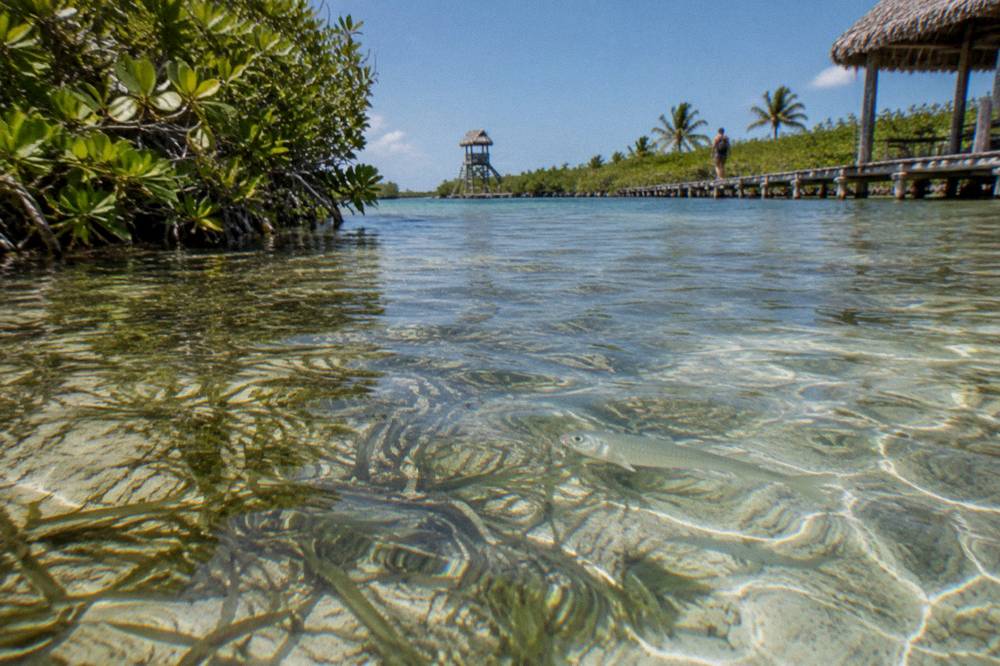
For swimmers deciding between experiences, the can you swim in Sian Ka'an explainer covers where swimming actually happens. If clarity is the priority and your dates fall in the sargassum months, tilt the itinerary inland: the canal float and the lagoon kayak give you water time without the seaweed lottery.
Which Month Should You Actually Pick For Sian Ka'an?
Pick November to April for the highest probability of calm, dry days on the water, with November to March as the sweet spot if birdwatching matters to you. Pick May to October for quieter trails, lush scenery and better availability, accepting afternoon rain, insects and the sargassum window, and keep flexible bookings during the June to November hurricane season.
May and late October are the sneaky-good compromises. May is a hot transition month, when the first heavy rains return and the humidity climbs, while late October often sees the first dry fronts arrive as the rainy season loses its grip. Both months sit outside the peak sargassum window's core of June and July, and both sit outside the highest-crowd weeks around the December and March holidays.
| Month | Season markers | Practical read |
|---|---|---|
| November | Dry season begins, hurricane season ends 30 November | Strong all-round pick, birding improves as migrants arrive |
| December to February | Coolest stretch, occasional Norte wind, peak visitor weeks | Book popular tours ahead |
| March to April | Dry but heating up, birding window closes | Reliable water days, rising heat by late April |
| May | Transition, first heavy rains, insects rise | Quiet trails, good shoulder-season value |
| June to July | Rainy season settles, sargassum peak | Favor inland water: Muyil float, kayak, birding |
| August to October | Wettest months, higher hurricane risk | Lowest crowds, watch forecasts, keep cancellable bookings |
The peak dry months of December through March are the most popular for good reasons, and availability reflects it. If your dates are fixed in that window, booking the Punta Allen full day or a private tour a few weeks ahead is sensible rather than paranoid. The full day from Tulum, operated by Mexico Kan Tours, is the most reviewed of the 26 tours on this site, with 1,227 reviews and a 4.9 rating. It covers pickup in Tulum, lunch, fruit, water, snacks and a boat with snorkeling equipment, all from $254 per person.
For readers still choosing between experiences rather than months, the best Sian Ka'an tours comparison and the Sian Ka'an snorkeling guide work through the products side by side. The short version of when to visit: the season sets the odds, the tour sets the day, and every tour on this site runs in every month, with free cancellation listed throughout. This article sits alongside the rest of the coverage on Sian Ka'an Reserve, where all 26 tours across five categories are listed, from $95 to $619.
Common Questions About The Best Time To Visit Sian Ka'an
When Is The Best Time To Visit Sian Ka'an?
November to April, the dry season, offers the most reliable weather for boat trips, snorkeling stops and lagoon days. Within that, November to March is best if birdwatching is a priority, since guides report migrants joining resident species. CONANP recommends visiting all year round, and every tour on this site runs in every month.
Does It Rain All Day In The Rainy Season In Sian Ka'an?
Typically no. Rain in the May to October wet season tends to arrive in heavy bursts, often in the afternoon, with mornings opening clear. Early-start tours such as the sunrise kayak are designed around that pattern. The climate dataset puts annual rainfall at 1,120 mm over about 81 rain days.
When Is Hurricane Season In Sian Ka'an?
Atlantic hurricane season runs from 1 June to 30 November, with the higher-risk period from August to October. Every tour on this site includes free cancellation, so wet-season bookings can be shifted if a forecast turns.
Is There Seaweed In Sian Ka'an?
Sargassum season on the Mexican Caribbean runs about May to October, peaking in June and July, and 2026 saw unusually early arrivals from January. The open-coast and reef snorkel stops are the exposed parts. The Muyil lagoons and canals are sheltered inland water, far less exposed to sargassum than the reef stops.
When Is The Best Time To Go Birdwatching In Sian Ka'an?
Local guides describe November to March as the best birding window, with early mornings the most productive hours year round. The reserve's documented bird count is 373 species per the CONANP 2025 inventory. No official source publishes month-by-month sighting claims.
Are Mosquitoes Bad In Sian Ka'an?
Insect activity is highest in the wet months, roughly May to November, especially around the lagoon edges at dawn and dusk. Cover up at those hours, use repellent on exposed skin, and expect the dry season to be markedly more comfortable.